
Expensive probiotic drinks barely move the needle on your gut health, yet people keep shelling out $6 per bottle. Meet the kvass drink – a 1,000-year-old fermented powerhouse that has been quietly dominating the wellness scene since before kombucha existed. This ancient Eastern European kvass drink boasts over 132 bacterial strains (compared to kombucha’s measly 3), costs pennies to make at home, and tastes like liquid bread heaven. Discover why Russian grandmothers have been keeping this probiotic secret for centuries while modern health enthusiasts pay premium prices for inferior alternatives.
History of Kvass
Kvass has deep Eastern European roots, with its first recorded mention in the 12th-century “Tale of Bygone Years,” describing events from 989 AD when it was served at Prince Vladimir’s baptism celebration in Kievan Rus.
This fermented beverage emerged as the ultimate survival drink before modern water purification. Fermentation preserved nutrients from fruits and vegetables through harsh winters, while the resulting acidity killed harmful bacteria, making kvass safer than questionable water sources.
Legend credits Russian farmer Solodkin with discovering the brewing method when grain in his barn accidentally got wet. He dried it in the sun, inadvertently creating this fermented wonder.
Kvass was remarkably democratic – enjoyed by everyone from peasants to princes. While common folk drank basic versions, the wealthy enhanced theirs with herbs, berries, or honey. Even literary giants like Chekhov and Tolstoy featured kvass in their works, cementing its place in Slavic culture across Russia, Ukraine, and neighboring nations.
Ingredients Used in Kvass
Let’s break down what makes kvass tick. The beauty of this drink lies in its simplicity – you’re turning yesterday’s bread into today’s refreshment.
The Foundation: Rye Bread
Generally speaking, rye—in one form or another—has always been the most important kvass ingredient. There are two likely reasons: First, it’s long been one of the most important grains in Eastern Europe; second, it provides a lot of flavor, which is an important consideration when you’re not using much grain in the first place.
Don’t stress if you can’t find 100% rye bread. Your bread does not have to be sourdough. Any bread can be used. But commercially made yeast breads were prevalent during my childhood, and everyone used them just fine to make their kvass. The key is using good quality bread – skip those tasteless supermarket sandwich loaves.
Sweet Additions
Traditional kvass makers weren’t just throwing random ingredients together. Russians also use honey or birch sap (other widely available resources in the vast forests) to sweeten their brews. These days, you’ve got options: honey (the traditional choice), sugar, molasses, or maple syrup all work beautifully.
Raisins and Yeast
Here’s where things get interesting. Add your toasted dark rye bread to your water mixture along with your sugar and a few raisins. 8-10 raisins should be fine. Those little raisins aren’t just for show – they carry wild yeasts on their surface that help kickstart fermentation.
For the yeast component, you’ve got choices. A wild yeast starter, namely a rye sourdough starter, is the traditional culture. Lacking that, add a few tablespoons of yogurt whey along with a very tiny pinch of commercial bread yeast or beer yeast.
Related: How Strong Is Beer?
How Kvass is Made (Fermentation Process)
Making kvass is like conducting a delicious science experiment in your kitchen. The process might seem almost too simple, but that’s the beauty of it.
Step One: Toast Like You Mean It
Toast your rye bread either in a toaster or grill until overly dark. Burnt. Seriously, you want it dark – think darker than your morning toast preference. Cut bread into crouton-sized cubes, toast them in the oven at 350 degrees Fahrenheit for around 20 minutes, tossing halfway through to brown evenly.
Step Two: The Soaking Game
Place the toasted bread and sourdough starter in a half-gallon mason jar and pour the warm liquid over the bread (ensuring that it’s no more than 90 degrees to avoid killing the cultures). You’re creating a bread tea here, extracting all those caramelized flavors and starches.
Step Three: Fermentation Magic
In the traditional method, kvass is made from a mash obtained from rye bread or rye flour and malt soaked in hot water, fermented for about 12 hours with the help of sugar and bread yeast or baker’s yeast at room temperature.
But here’s the thing about fermentation timing – it’s not set in stone. Cap the jar loosely and allow it to ferment at room temperature for 2 to 7 days. Test the mixture, and when it’s cultured to your taste, filter through a fine mesh strainer. You’re looking for that perfect balance of sweet and tangy.
Safety First
As in any natural fermentation, lactic acid bacteria and yeast, which are naturally present on the surface of every living thing in the world, in an anaerobic environment (under water), come in contact with sugars from starch in the grain/bread and honey or sap, and the magic begins. The fermentation process naturally creates an acidic environment that keeps harmful bacteria at bay.
Types of Kvass
Think of kvass as the ultimate chameleon of fermented drinks – it adapts to whatever ingredients you throw at it. While the classic bread version gets all the historical credit, there’s a whole world of kvass varieties that’ll blow your mind.
Bread Kvass
This is where it all started. Bread kvass is made from a mash obtained from rye bread or rye flour and malt soaked in hot water, fermented for about 12 hours with the help of sugar and bread yeast or baker’s yeast at room temperature. It’s got that deep, malty flavor with hints of caramel and a slightly tangy finish.
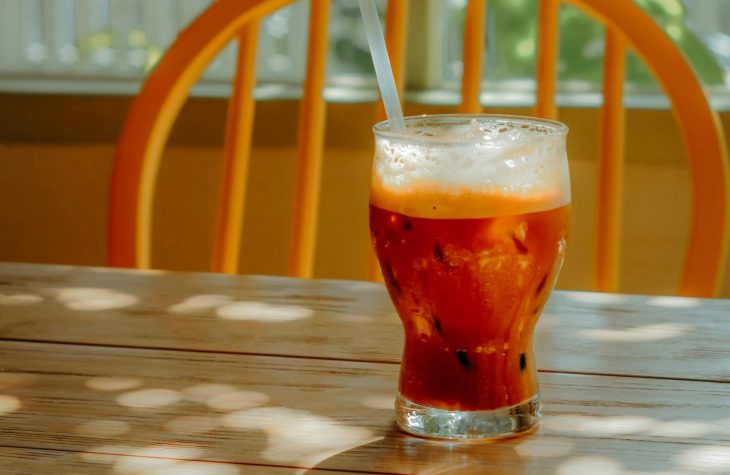
The color of the bread used contributes to the color of the resulting drink. Dark rye bread gives you that rich, almost cola-like color that Russians love, while lighter breads create what’s called “white kvass” – a milder cousin that’s perfect for beginners.
Beet Kvass
Here’s where things get interesting. Beet kvass is a fermented probiotic drink that hails from Eastern Europe, which is tangy, earthy, salty, and slightly sweet from the beets. Unlike bread kvass, this version uses lacto-fermentation, meaning salt water fermented beets rather than yeast-based fermentation.
Beet kvass is an earthy and tangy beverage that’s fairly savory because of the salt content. Some recipes add flavors – the red beet kvass contains flavors of caraway and rosemary, while the gold beet kvass contains flavors of carrots and ginger. Don’t worry if it sounds intense; most people find themselves craving it once they get used to the unique flavor profile.
Fruit and Vegetable Kvass
The modern kvass scene has exploded with creativity. Apple kvass brings sweetness and natural carbonation, while carrot kvass offers a milder, slightly sweet alternative that’s perfect for kids. Berry kvass varieties like strawberry or blackcurrant add natural fruit flavors and extra antioxidants.
Strictly speaking, gira can be made from anything fermentable—such as caraway tea, beetroot juice, or berries—but it is made mainly from black bread, barley, or rye malt. This flexibility is what makes kvass so exciting to experiment with.
Herbal Kvass
Want to get fancy? Herbal kvass incorporates various herbs and spices during fermentation. Traditional additions include mint (especially spearmint), caraway, dill, and even hops. These aren’t just flavor add-ins – many herbs bring their beneficial properties to the mix.
Regional Variations
Different countries have put their spin on kvass. In Lithuania, they call it gira, and in Estonia, it’s known as kali. Each region has tweaked the traditional recipes to match local tastes and available ingredients, creating a rich tapestry of kvass variations across Eastern Europe.
How to Drink Kvass
Russians and Ukrainians have perfected kvass consumption for over a thousand years. Drink it cold, straight from the bottle or glass. For health benefits, consume 2-4oz twice daily – morning on an empty stomach and before dinner. Beginners should start with a tablespoon to gauge tolerance.
Kvass is primarily a summer refresher, comprising over 30% of Russia’s non-alcoholic beverage market during hot months. Serve ice-cold with fresh mint or sparkling water if too intense. It’s nature’s sports drink – hydrating, probiotic-rich, and energizing.
Beyond drinking, kvass shines in okroshka, a cold Russian summer soup combining raw vegetables, boiled potatoes, eggs, cooked meat, and kvass in cereal-to-milk proportions. Use kvass in salad dressings, replacing vinegar, swirl it into soups like borscht, or as a meat marinade base.
Modern bartenders use kvass as a unique cocktail mixer, replacing ginger beer or kombucha in Moscow mule variations and sangrias. Its earthy, slightly sour flavor adds complexity without overwhelming other ingredients.
Kvass vs Other Fermented Drinks
Kvass vs Kombucha: while kombucha uses SCOBY fermentation, kvass relies on lacto-fermentation from natural sugars. Kombucha offers complex sweetness and tanginess with higher alcohol content (0.5-3%), while kvass provides milder, refreshing sourness with under 1% alcohol. Kvass contains over 132 bacterial strains dominated by beneficial Lactobacillus, compared to kombucha’s fewer varieties.
Kvass vs Kefir: kefir uses dairy-based kefir grains containing 22-61 bacterial strains, while kvass offers a vegan, lactose-free alternative with 100+ bacterial types. It suits those avoiding dairy without sacrificing probiotic benefits.
Kvass vs Beer: though both ferment cereal grains, kvass uses lactic fermentation rather than alcoholic brewing with hops. At 64-65 calories per can, kvass contains fewer calories than non-alcoholic beer (70 cal) and regular beer (150 cal).
Probiotic Power: commercial probiotic drinks contain only 1-3 bacterial types with 20 billion CFU. Traditional kvass delivers 100+ bacterial varieties with 500+ billion CFU per serving. Kvass also maintains probiotic benefits longer than kombucha, whose beneficial bacteria decline significantly after just 3 days of refrigeration.
How to Make Kvass at Home
Ready to brew your liquid history? Making kvass at home is surprisingly simple, incredibly rewarding, and way more fun than picking up a bottle from the store. Plus, you’ll have complete control over flavor, strength, and ingredients while creating your probiotic powerhouse for a fraction of the cost.
Why Brew Your Own Kvass?
Homemade kvass gives you complete control over flavor, strength, and ingredients. Plus, it’s incredibly cost-effective – what might cost $20+ for commercial bottles can be made for under $5 at home. And let’s be honest, there’s something deeply satisfying about creating your thousand-year-old fermented tradition in your kitchen.
When you make kvass yourself, you’re getting the full probiotic benefits without any of the preservatives, artificial flavors, or sugar overload that often comes with commercial versions. You’re also joining a tradition that goes back centuries – Russian grandmothers have been passing down their “secret recipes” for generations.
Essential Equipment for Kvass Brewing
The beauty of kvass is its simplicity – you don’t need fancy brewing equipment. A large glass jar (mason jars work perfectly), cheesecloth or coffee filters for covering, and either tight-fitting lids or fermentation airlocks will do the trick. Glass is always preferred over plastic for fermentation – it’s easier to keep sterile and won’t absorb flavors.
You’ll also want a fine mesh strainer, some clean bottles for storing your finished kvass, and basic measuring tools. If you’re planning to make bread kvass regularly, consider investing in a good toaster or oven for properly darkening your bread.
Related: Low Carb Beer Guide
Traditional Bread Kvass: Step-by-Step
Ingredients You’ll Need:
- 6-8 slices of stale rye bread (sourdough is traditional)
- 8 cups filtered water
- 3/4 cup sugar or honey
- Either 2 tablespoons of sourdough starter or 1/4 teaspoon bread yeast
- Optional additions include a handful of raisins and fresh herbs like mint
Step 1: Toast Like Your Life Depends On It
Toast your rye bread dark – we’re talking burnt-level dark, much darker than you’d ever want for breakfast. Cut bread into crouton-sized cubes, toast them in the oven at 350 degrees Fahrenheit for around 20 minutes, tossing halfway through to brown evenly. This deep toasting creates the complex, caramelized flavors that make kvass special.
Step 2: The Bread Tea
Place the toasted bread in your fermentation jar and pour warm (not hot!) water over it. The water should be no more than 90 degrees to avoid killing any beneficial cultures. Let this steep for 2-4 hours, creating what’s essentially a very strong bread tea.
Step 3: Strain and Sweeten
Strain out the bread solids (save them for a second, weaker batch if you want). Add your sugar or honey to the liquid and stir until dissolved. This gives the yeast something to feed on during fermentation.
Step 4: Inoculate and Ferment
Add your sourdough starter or yeast, along with any optional raisins or herbs. Cover with cheesecloth and let it ferment at room temperature for 2-7 days. You’ll know it’s ready when it tastes pleasantly tangy and has developed a slight fizz.
Step 5: Bottle and Age
Strain once more and bottle your kvass in clean containers. Leave at room temperature for 2-3 hours to build carbonation, then refrigerate. It’s ready to drink immediately, but often tastes better after a day or two in the fridge.
Beet Kvass: Even Easier Than Bread
- The Simple Approach: Beet kvass is almost foolproof. Scrub 3-4 medium beets well (leave the skins on for maximum nutrients and wild yeast), chop them into 1-inch chunks, and add them to a quart jar. Add 1 teaspoon of sea salt and fill with filtered water, leaving an inch of headspace.
- Fermentation Magic: Cover tightly and leave at room temperature for 4-7 days. You’ll see bubbles forming and the liquid turning a gorgeous deep red. Taste daily after day three – when it hits the right balance of earthy, tangy, and slightly salty, it’s ready.
- Pro Tips for Better Beet Kvass: Add a few cloves of garlic and some fresh ginger for extra flavor and fermentation power. The ginger is particularly good because it’s a natural source of beneficial yeasts and enzymes that help kickstart the process.
Troubleshooting Your Kvass
Too Sweet? Let it ferment longer. The yeast needs more time to convert the sugars into beneficial acids and alcohol.
Too Sour? You might have over-fermented or used too much starter. Next time, reduce fermentation time or use less yeast/starter culture.
No Bubbles? This could mean your yeast isn’t active, your water was too hot (killing the cultures), or you’re in a cold environment. Try moving to a warmer spot or adding a pinch of fresh yeast.
White Film on Top? This is usually harmless, kahm yeast. Skim it off and taste the kvass underneath. If it smells and tastes good, you’re fine to continue.
Advanced Techniques and Variations
Once you’ve mastered the basics, start experimenting. Try different bread types – pumpernickel creates a darker, more complex flavor, while wheat bread makes a lighter, milder kvass. Add seasonal fruits during the second fermentation for natural flavoring and extra probiotics.
Continuous Brewing: Like kombucha, you can set up a continuous kvass brew. Keep some of your successful batch as a starter for the next round, creating an ongoing fermentation cycle that gets better with each generation.
Seasonal Adaptations: Fermentation speeds up in warm temperatures and slows down in cold temperatures. Summer batches might be ready in 2-3 days, while winter brewing could take a full week. Adjust your timing accordingly.
Storage and Safety
Homemade kvass needs to be stored in the refrigerator and consumed within 2-4 weeks for optimal probiotic benefits. Use clean bottles with tight-fitting lids, and always leave some headspace since fermentation continues slowly even in the fridge.
Safety first: if anything looks moldy, smells off (beyond the normal tangy fermentation smell), or develops an unusual color, trust your instincts and start over. Good kvass should smell pleasantly sour and look clear or match the color of your main ingredient.
The Cost Factor: A homemade gallon of kvass costs roughly $2-4 in ingredients, depending on what you use. Compare that to commercial prices and you’ll see why so many people are returning to traditional home brewing methods.
Ready to Ditch Expensive Probiotics? Kvass Has Your Back
Here’s the deal – you’ve just discovered a 1,000-year-old health hack that crushes modern probiotic drinks. While fancy store brands give you 1-3 bacterial strains, kvass delivers 132+ in every sip. Plus, you can brew this liquid gold at home for pennies on the dollar. No fancy equipment needed, just bread, water, and patience. Your gut will love the 500 billion live cultures, your wallet will love the savings, and your taste buds will thank you for the upgrade.
From refreshing drinks to soup bases, kvass does it all. Time to join the fermentation revolution – what’s your first brew gonna be?
FAQ
Kvass is traditionally made from toasted rye bread, water, sugar or honey, and a fermentation starter like sourdough culture or yeast. Additional ingredients include raisins for wild yeast, herbs like mint, or vegetables like beets. The bread provides starches that convert to sugars during fermentation, creating the drink’s characteristic tangy, slightly sweet flavor profile.
Yes, kvass is incredibly healthy. It contains over 132 different bacterial strains, making it a powerful probiotic that supports digestive health. The fermentation process creates B vitamins, amino acids, and beneficial enzymes while maintaining low alcohol content (0.05-1.44%). Regular consumption can improve gut health, aid digestion, and boost overall wellness naturally.
No, kvass and kombucha are different fermented drinks. Kvass uses bread or vegetables with lacto-fermentation, while kombucha ferments sweetened tea using a SCOBY culture. Kvass contains 132+ bacterial strains compared to kombucha’s typical 3, has an earthier flavor, and lower alcohol content. Both offer probiotics, but through completely different fermentation processes.