
That rich, barrel-aged complexity you’re craving doesn’t require thousands of dollars or months of waiting. The challenge is choosing the right oak alternatives for brewing when chips, cubes, spirals, powders, and infusion tubes all promise different results.
Each method delivers distinct flavor profiles and extraction speeds, from two-week transformations to slow, complex developments over months. Understanding what each oak alternative does, how fast it works, and what it’ll cost you means you can nail that perfect barrel-aged character with confidence.
Let’s break down every option so you can transform your next batch into something extraordinary.
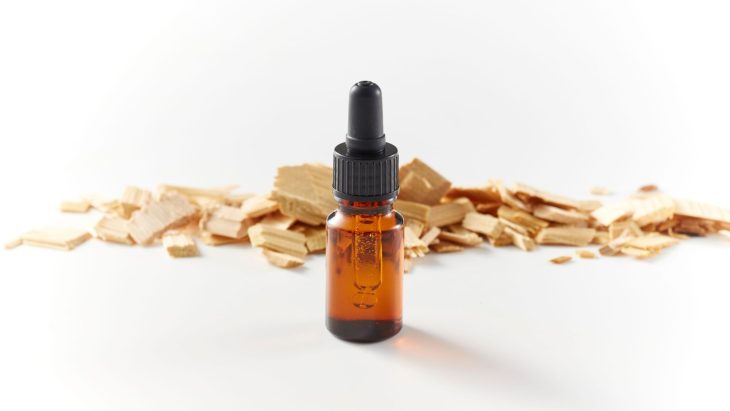
Chips
Oak chips are the workhorse of the homebrewing world, and for good reason. The small chips have a large surface area, which delivers the oak flavor to the beer quickly – we’re talking one to two weeks versus months with other methods.
You’ve got options galore here: American white oak (Quercus Alba) brings bold vanilla and coconut notes, while French oak (Quercus Robur) delivers those subtle, sophisticated flavors with hints of cinnamon and allspice. American oak will be more aromatic, but French oak will give more structure.
The toasting levels are where things get really interesting. Light toast preserves those raw wood tannins and coconut-like lactones. Medium toast? That’s your sweet spot for vanilla and caramel notes. Heavier toasts create charring and more ‘confectionary’ compounds, with caramel and butterscotch flavors expected. Some specialty options even come with bacon, coffee, or caramel profiles – talk about pushing boundaries!
Pro tip: Wood chips will float (like witches) and it’s important to keep wood surface in contact with the beer. A weighted hop bag will do the trick.
Pros:
- Quick flavor extraction (1-2 weeks)
- Widely available at homebrew shops
- Multiple wood types and toast levels available
- More affordable than barrels or staves
- Large surface area for efficient infusion
- Can be soaked in spirits for added complexity
Cons:
- Can be difficult to separate from finished beer
- Easy to over-oak if left too long
- Chips tend to float, requiring weights or bags
- Less “fresh” taste compared to cubes
- Smaller chips can create sediment issues
Related: Cask Vs Barrel: The Difference Between a Whisky Cask and Barrel Revealed
Cubes
Now, cubes are the patient brewer’s choice. Cubes will take four to six weeks to fully express themselves, but that slower extraction has its advantages. Because cubes have less surface area, some brewers believe cubes have a “fresher” taste as flavors deep inside them that have not been lost to air contact come out over time.
Beyond traditional oak, you can experiment with mulberry, acacia, chestnut, and ash cubes. Mulberry showed significant decreases of fruity-note ethyl esters – perfect if you want to tone down those fruity characteristics. Acacia brings golden yellow hues with herbs and honeydew melon notes, while chestnut delivers that rustic, nutty character with a hint of dark honey.
The pre-seasoned cubes are where things get wild – these bad boys absorb aromas from whisky, bourbon, sherry, cognac, or rum barrels. Once they’ve done their job, the oak cubes or chips can be reused immediately to impart flavors from that spirit to your latest batch of beer.
Pros:
- Fresher, more complex flavor development
- Easy to remove from beer when done
- Can be reused for multiple batches
- Available in exotic woods beyond oak
- Pre-seasoned options add spirit complexity
- Less risk of over-oaking due to slower extraction
Cons:
- Longer extraction time (4-6 weeks)
- More expensive than chips
- Requires patience and planning ahead
- Takes up more space in the fermenter
- Less immediate control over flavor intensity
Sticks & Staves
Sticks and staves represent the middle ground in the oak alternative world – innovative wood forms that enhance taste and aroma without requiring full barrel aging. They’re essentially larger pieces of wood that offer more control than chips but work faster than traditional barrels.
These versatile options are ridiculously easy to use and perfect for both wine and spirits production. Oak staves or spirals are larger pieces of oak with a greater surface area. They can take months before the full flavor is extracted, but they’re worth the wait if you’re after that authentic barrel-aged depth. The beauty is you get consistent results without the hassle of maintaining an actual barrel – no leaks, no oxidation worries, just pure flavor infusion.
Pros:
- Consistent, reproducible results
- No barrel maintenance required
- Good compromise between chips and barrels
- Spirals offer a large surface area with easy removal
- Can achieve authentic barrel-aged depth
- Reusable for multiple batches
Cons:
- More expensive than chips or cubes
- Can take months for full extraction
- Not ideal for small homebrew batches
- Takes up significant fermenter space
- Limited availability in exotic wood types
Liquids
Liquid oak extracts are the instant gratification of the wood aging world. Oak essence (such as Sinatin 17) is a liquid flavor extract that can be stirred in at bottling time to taste, giving you complete control over the intensity.
Typical recommended dosing in beer is approximately 1.5-6 mL per gallon, though you’ll want to start conservatively and adjust to taste. The technology behind these extracts is pretty impressive – internationally-patented Evaporative Extraction technology naturally captures complex aromatics from wine and whiskey barrels to create aroma profiles that are perfect copies of the original barrel source.
What’s killer about liquids is their consistency. You get consistent, repeatable results every time without the need to blend various barrels of product together. Plus, they’re safe for use with low alcohol beers, as no risk of infection comes from barrel aging beer below 12% ABV – try doing that with actual wood chips!
Pros:
- Instant results – add at bottling to taste
- Perfect consistency batch after batch
- No infection risk for low-ABV beers
- Easy to dose precisely
- Multiple flavor profiles available
- No sediment or filtering issues
Cons:
- Most expensive per batch
- Can taste artificial if overdone
- No romantic “craft” appeal
- Contains added alcohol
- Can’t remove if you add too much
- Some purists consider it “cheating”
Powder
Oak powder is the nuclear option of oak alternatives. Oak powder is similar – essentially, it is a powdered oak flavor stirred into the beer. Both work instantly and can be added in small amounts to taste.
With an extremely fine consistency, oak powder offers the largest surface area possible for intensive aroma release. This means rapid extraction – we’re talking minutes, not weeks. The flip side? You need a steady hand because this stuff is potent. A little goes a long way, and once it’s in, there’s no taking it back.
Keep in mind that legal usage varies by country, so check your local regulations if you’re planning to go commercial. For homebrewing, though, powder is ideal when you need to make last-minute adjustments or when you’re doing small-batch experiments where precision matters more than tradition.
Pros:
- Fastest extraction possible (minutes)
- Maximum surface area for intense flavor
- Perfect for last-minute adjustments
- Ideal for small test batches
- Easy to store long-term
- Most economical option per use
Cons:
- Very easy to overdo
- Can create cloudy beer
- Difficult to filter out completely
- No way to remove once added
- Legal restrictions in some countries
- Can taste one-dimensional compared to chips/cubes
Related: Ale Beer vs Lager – Brewing, Tasting, Pouring, and More!
Wood Spirals
Oak spirals are short lengths of oak with varying toast levels designed for fermenters. The spiral cut maximizes surface area through dual grain exposure – both cross-grain and parallel-grain – which accelerates flavor and aroma compound extraction.
Spirals sink immediately when added to fermentation tanks or carboys. One spiral flavors 3–6 gallons of liquid and can be broken into smaller pieces for reduced intensity. The exposed end grain provides faster oak flavor addition compared to chips.
Surface-to-liquid contact remains consistent throughout fermentation, unlike floating chips. The variation in thickness creates complexity: thinner sections release flavors quickly while thicker parts provide sustained depth.
The toasting process uses convection oven heating at cooperage facilities. Light toast produces vanilla and wood notes, medium toast creates caramelized sweetness, and heavy or charred toast generates smoky, roasted flavors. Commercial breweries use one tank pack per 10-15 beer barrels with 10-15 day extraction times.
Pros:
- Maximum surface area with dual grain exposure
- Faster extraction than cubes (2-8 weeks typical)
- Easy to remove with a fishing line or string
- Variation in thickness creates complexity
- Perfect fit for carboys and tanks
- Can be broken into pieces for less intensity
- Minimal liquid absorption
Cons:
- More expensive than chips or cubes
- Can over-oak quickly if not monitored
- Limited exotic wood options
- Takes up vertical space in the fermenter
- May need weight to keep submerged initially
Wood Blocks (Dominoes)
Wood blocks, called “dominoes,” are flat rectangular pieces typically measuring 1″ x 1″ x 5″ that simulate barrel stave characteristics. These pieces are cut from used barrel staves and offer uniform thickness for consistent toasting penetration and predictable flavor delivery.
The uniform dimensions enable precise surface area to volume (SAV) ratio calculations, making recipe replication straightforward. Lower SAV ratios are recommended for longer aging periods. French oak dominoes provide subtle tannins and refined structure, while American oak delivers vanilla and coconut notes.
Dominoes allow controlled extraction timing. Rather than removing wood at the first extraction peak, brewers can extend aging to reach the second extraction wave, which produces vanilla, sugars, caramel, coconut, and milder tannins. Pieces can be added or removed to adjust flavor intensity.
Microbreweries favor dominoes as miniature staves that provide controlled extraction, predictable results, and authentic barrel character in smaller vessels. Spent dominoes retain usable compounds for extended aging projects and can be reused multiple times.
Pros:
- Precise control over flavor extraction
- Consistent toasting throughout
- Perfect for small-batch experiments
- Easy to calculate surface area ratios
- Reusable for multiple batches
- Fits through bottle necks when sized right
- Ideal for recipe replication
Cons:
- Requires careful monitoring to avoid over-oaking
- Limited availability compared to chips
- Can take months for full extraction
- Need multiple pieces for larger batches
- May require custom cutting for specific vessels
Barrel Inserts (Infusion Tubes)
Barrel inserts are perforated stainless steel tubes designed to hold wood chips, cubes, or specialty products inside barrels or tanks. They enable wood addition and removal without directly introducing loose material into the beverage, eliminating filtering requirements.
The tubes ensure even distribution of contents throughout the barrel. A plastic line at the top allows lowering into carboys and clean removal. Standard tubes hold 2 ounces of oak chips or cubes, or 3 ounces of pellet hops.
Inserts revitalize neutral barrels by introducing new barrel flavors, often superior to original characteristics. The system can save up to 85% compared to purchasing new barrels while maintaining quality. Users can taste regularly and remove inserts at optimal flavor points.
The tubes work with various wood types and toast levels, allowing mid-aging adjustments or experimentation. Stainless steel barrels with infusion tubes combine steel’s consistency and durability with wood’s flavor complexity.
Inserts are reusable indefinitely, creating a sustainable solution. They extend neutral barrel life and eliminate waste from single-use products.
Pros:
- Easy removal at optimal flavor point
- Revitalizes neutral barrels effectively
- Reusable indefinitely
- Works with various wood types and sizes
- No filtering needed after use
- Can save 85% versus new barrels
- Allows mid-process adjustments
Cons:
- Initial investment in stainless tubes
- Limited capacity per tube
- Requires monitoring and tasting
- May need multiple tubes for large barrels
- Perforations may be too large for powder
Oak Your Beer Like a Pro
Whether you’re chasing quick flavor with chips or playing the long game with cubes and staves, there’s an oak solution that fits your brewing style perfectly. The beauty of modern homebrewing is choice – you’re no longer stuck waiting months for barrels or settling for one-dimensional flavors.
Start conservative, taste often, and experiment with different wood types and toast levels. Your timeline, budget, and flavor goals will guide you to the right choice. Remember that over-oaking is easier than under-oaking, so patience beats aggressive dosing every time.
The craft brewing revolution has given us incredible tools to create barrel-aged character without the barrel-sized investment. Now you’ve got the complete playbook to transform your next batch into something extraordinary!
FAQs – 8 Powerful Oak Alternatives for Brewing
Several woods work brilliantly as oak substitutes in brewing. Chestnut delivers rustic, nutty character with dark honey notes. Acacia brings golden hues with herbal and honeydew melon flavors. Mulberry reduces fruity esters while adding unique complexity. Ash offers a distinct character for experimentation. Each wood type comes in various toast levels and forms like chips, cubes, or spirals to match your brewing timeline and flavor goals.
Chestnut is the closest alternative to oak, offering similar tannin structure and rustic character with nutty undertones and hints of dark honey. It provides comparable depth and complexity to traditional oak aging. For those seeking oak-like vanilla and coconut notes, American white oak (Quercus Alba) remains the standard, while French oak (Quercus Robur) delivers subtler, more refined flavors with cinnamon and allspice characteristics.