
Spring beer styles are where the real fun begins — lighter, brighter, and built for warmer days ahead. As the season shifts, so does your brew. The heavy stouts and porters of winter give way to crisp lagers, hazy wheats, hoppy pale ales, and everything in between.
From the clean snap of a Czech pilsner to the spicy complexity of a Belgian saison, there’s a spring style for every brewer and every occasion. Ten styles, all the info you need — what makes each one tick, how they taste, and why they deserve a spot in your spring lineup.
Pilsner
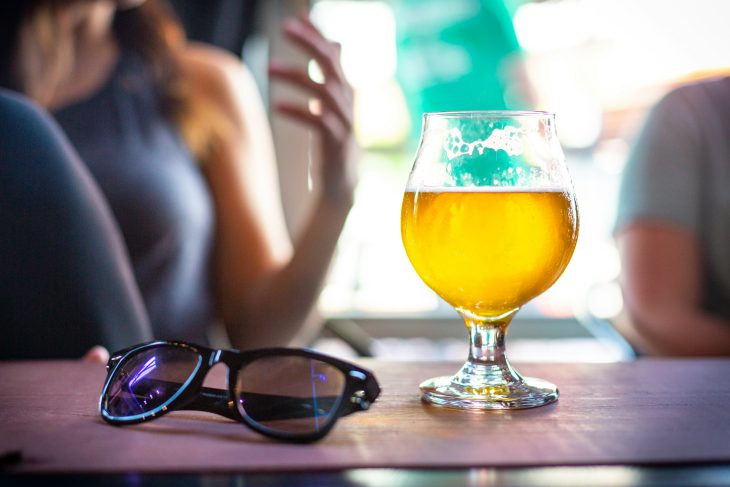
Originating from the city of Plzeň in the Czech Republic, pilsner is a pale lager with a straw-to-golden color and a clean, crisp flavor with moderate bitterness. It’s one of the most approachable and refreshing beer styles you can brew as the weather warms up.
Saaz noble hops from the Žatec region give pilsner its signature floral, spicy character — refined and elegant, never aggressive. Czech-style pils leans slightly maltier with a soft, rounded finish, while German pils goes drier and sharper. For spring, Czech is hard to beat — food-friendly, approachable, and endlessly drinkable.
Key features of a great spring pilsner:
- Pale golden color with brilliant clarity
- Clean cereal and floral aromas with a brisk, moderately bitter dry finish
- ABV typically sits between 4%–5% — sessionable enough for a long afternoon outside
- Pairs beautifully with grilled chicken, seafood, and fresh salads
Helles Lager
Helles is a traditional German lager produced primarily in Southern Germany (Bavaria) around Munich. Bavarian brewers created their own distinctive lager that is maltier and breadier than Czech pilsner — while still retaining the crispness of a lager, it tilts to the malty side but remains an extremely drinkable beer.
Where a pilsner leads with hops, Helles highlights soft, bready malt notes, a medium-light body, and a clean, refreshing finish. It’s a style that rewards restraint. The malt character is sometimes bread-like yet always reminiscent of freshly and very lightly toasted malted barley, with hop bitterness kept low so it never overshadows the malt. That balance is what makes it such a natural fit for spring — it’s satisfying without being heavy.
As a homebrewer, this classic Bavarian lager is all about the malt — noble hop flavor and aroma take a backseat in this clean, medium-bodied style that has a pleasant grainy sweetness. Dial in your fermentation process and let the malt do the talking.
What makes a Helles stand out:
- Pale golden color with low bitterness between 15–25 IBUs
- Soft, bready malt aroma with little to no hop presence
- ABV typically sits between 4.7–5.4% — a true session lager
- Pairs well with pretzels, bratwurst, grilled chicken, and mild cheeses
Kölsch
The beer style known as Kölsch emerged in Cologne, Germany, during the late 1800s. These clean, crisp, and delicate beers are renowned for their subtlety — top-fermented with ale yeast, then cold-conditioned like a lager. It’s that dual nature that makes Kölsch such an interesting brew for spring.
The German-style Kölsch is light in color and malt character, with a fermentation process that yields a light, vinous character accompanied by a slightly dry, crisp finish. You get the refreshing drinkability of a lager and just a hint of the fruitiness you’d expect from an ale — the best of both worlds in one pint glass. With an ABV of 4.4%–5.2% and IBUs between 8–15, it’s crushable without being boring.
One thing worth knowing: Kölsch holds a protected geographical indication, meaning technically it must be brewed within 31 miles of the city of Cologne. This hasn’t stopped American brewers from trying their hand at this fresh, crisp style — just don’t tell the Köln locals.
Hallmarks of a well-crafted Kölsch:
- Crystal clear, pale gold color with a delicate white head
- Subtle fruity esters with a clean, slightly dry finish
- Hops from varieties like Hallertau, Tettnang, or Spalt keep bitterness low and gentle
- Pairs beautifully with grilled sausages, light salads, and fresh seafood
Saison
Although farmhouse ales had existed in the Wallonia region of Belgium for centuries, the first reference to a “bière de saison” is from the 19th century. The name refers to the fact that the beer was often brewed in the winter months and then drunk the following “saison,” which was spring. It doesn’t get more seasonal than that.
Saison is a pale-colored ale that is highly carbonated, dry, fruity, and spicy, often bottle conditioned. The yeast delivers intense fruitiness, spiciness, and especially for saison-style, a very dry finish — that dryness is what keeps you reaching for another glass. Spices like orange zest and coriander are fair game, and the style’s loose definition gives homebrewers a tremendous amount of creative freedom. Want to add honey? Rye? Local wildflowers? Go for it. Saison practically invites experimentation.
Saisons are top-fermented ales that are crisp, well-carbonated, thirst-quenching, and refreshing, while most modern versions run around 5.5% ABV.
What defines a quality saison:
- Golden to amber color, often slightly hazy
- Dry finish and high effervescence achieved through highly attenuating yeast
- Fruity esters and peppery spice are driven entirely by yeast character
- Pairs wonderfully with grilled poultry, spicy foods, funky cheeses, and hearty salads
Wheat Beer (Hefeweizen)
By law, authentic Bavarian hefeweizens must be brewed with at least 50 percent wheat malt, though 60 to 70 percent is more common. It’s the yeast that really makes this style — Bavarian weissbier strains create powerful esters and phenols that deliver the signature banana, clove, and bubblegum characteristics.
That banana-and-clove combo isn’t added artificially — it’s a natural result of the Weizen ale yeast during fermentation, not from added fruit or spices. The balance between those two flavor compounds is the heart of every good hefeweizen. Ferment cooler, and you push toward clove; let the temperature rise, and banana takes over. As a homebrewer, fermentation temperature is a key aspect of this style — pitching around 62°F for a couple of days, then allowing a free rise creates that classic banana character.
Pronounced effervescence coupled with wheat’s high protein content creates a thick, fluffy head that looks alluring when poured into its special vase-shaped glassware. It’s one of the most visually striking beers you can put on a spring table.
The building blocks of a great hefeweizen:
- Hazy, pale golden color with a dense white head
- Balanced clove and banana character with soft maltiness and grainy wheat notes
- ABV typically around 4.5–5.5% — light enough for afternoon drinking
- Pairs well with seafood, salads, eggs, sausage, and fresh fruit dishes
Pale Ale
This style emerged in the 1980s as American craft brewers began experimenting with domestic hop varieties like Cascade, creating a distinctly American interpretation of traditional English pale ales. The style originated on the West Coast during the craft beer renaissance, when pioneering brewers at Sierra Nevada and Anchor Brewing began showcasing the unique citrus and floral characteristics of American-grown hops.
Cascade hops contribute grapefruit and floral notes, while Centennial adds lemon-lime citrus character, and Chinook provides pine and spice complexity. Despite all that hop character, the balance tilts toward late hops and bitterness, but the malt presence should be supportive rather than distracting — moderate to high hop bitterness with a medium to dry finish. It’s an assertive beer that doesn’t beat you up.
For spring, the APA is ideal because it’s got enough character to be interesting but enough balance to drink across an entire afternoon cookout. Cascade hops’ alpha acid content ranges from 4.5%–7.0%, making them an ideal choice for imparting balanced bitterness without overwhelming the palate.
Key features of a great pale ale:
- Pale golden to light amber with good clarity
- Kettle hop additions supply medium to high bitterness, typically 30–45 IBUs
- Citrus, floral, pine, or tropical hop aromas driven by American varieties
- Excellent with grilled burgers, spicy Mexican food, and sharp cheddar
Related: Pale Ale vs IPA: Differences in Taste and Alcohol Content
Blonde Ale
One of the most approachable styles, a golden or blonde ale is an easy-drinking beer that is visually appealing and has no particularly dominating malt or hop characteristics. Rounded and smooth, it is an American classic known for its simplicity.
Don’t mistake “simple” for “boring,” though. The BJCP Guidelines describe it as an “easy-drinking, approachable, malt-oriented American craft beer, often with interesting fruit, hop, or character malt notes.” The blonde ale is the style that gets macro lager drinkers into craft beer — it’s familiar enough to feel comfortable but has enough going on to keep things interesting. It is often seen as a gateway beer, helping transition macro-beer drinkers into appreciating craft beers due to its approachable, malt-forward, and well-balanced profile.
For homebrewers, it’s also one of the most revealing styles to brew. A well-made blonde ale will expose any flaws in your process, making it a real benchmark for clean fermentation technique.
Signs of a solid spring blonde ale:
- Light yellow to deep gold in color, brilliantly clear
- Soft malt sweetness with notes of bread, toast, or biscuit
- Low to moderate bitterness, typically 15–25 IBUs, finishing clean and dry
- Great with grilled chicken, tacos, light seafood, and mild cheeses
Maibock
“Mai” is the German word for May. Maibocks are strong, malt and hop-forward lagers brewed for the German springtime, and they highlight the complexities of German brewing traditions. If you want a spring beer with some backbone to it, this is the one.
Although brewed to bock strength — with about 6% to 7% alcohol by volume and a substantial body — Maibock is light amber to deep golden in color. This sets it apart from the darker winter bocks, hence its other name, heller bock (pale bock). The Maibock uses paler malt and more hops to balance out the malt bill, leading to a more aromatic and cleaner-tasting beer than other bock styles. Those noble Bavarian hops bring floral and grassy notes that genuinely feel like spring in a glass.
It’s also a brewer’s challenge worth tackling. Maibocks typically feature Pilsner malt, Vienna malt, and/or Munich malt, with European lager yeast strains driving a clean, smooth fermentation.
What to look for in a great Maibock:
- Deep gold to light amber, brilliantly clear with a creamy white head
- Moderate to strong malt aroma, often with a lightly toasted quality and low noble hop aroma
- ABV between 6.3%–7.4% — more substantial than your average spring beer
- Pairs well with spicy foods, grilled meats, and rich dishes like gumbo or étouffée
Fruit Beer
Fruit beer is one of the most creative rabbit holes in homebrewing, and spring is the perfect season to dive in. Belgian brewers have long flavored their lambics with cherries and raspberries to make kriek and framboise, respectively. In the U.S., neither law nor tradition has restrained the use of fruit — most brewpubs and many microbreweries offer fruit beers, often as summer seasonals.
Not all fruits perform equally in beer. Cherries and raspberries are particularly versatile and even stand up to dark beers, while fruits like watermelon, blueberries, and strawberries don’t retain their character as well and benefit from being used in beers designed to be served fresh. For spring, raspberry wheat and cherry-based ales are classic starting points that deliver big, reliable flavor. Citrus zest is usually a better option than citrus juice, as it contains pure citrus oils that add a fresh, tart character without muddying the beer.
Timing matters too. Adding fruit to secondary fermentation preserves more aroma and flavor without blowing it off during vigorous fermentation.
What makes fruit beer stand out:
- Color often reflects the added fruit — from pink-hued raspberry to deep ruby cherry
- Raspberry is one of the best fruits to use — flavor and aroma hold up well to fermentation, and come through clearly even at 0.5–1 lb per gallon
- Wheat beers and pale ales make the most welcoming base styles for fruit additions
- Best served fresh — fruit aromas fade over time, so don’t sit on these beers
Related: Fruit Beer Alcohol Percentage: Everything You Need to Know
IPA (Session IPA)
The Session IPA aims for low ABV yet lots of hop flavor, so you can enjoy multiple in one sitting. Session IPAs borrow the same attributes we love about other IPAs — their goal is the same: huge hop expression. The difference is you can actually drink several of these on a warm spring afternoon without regretting it by sundown.
A final ABV around 3.0–4.5% is the target. Prioritize late-hop additions, whirlpool, and dry hopping to maximize aroma without pushing bitterness. Tropical, citrus, and stone-fruit-forward varieties like Citra, Mosaic, Amarillo, or Galaxy are popular and give that juicy profile session drinkers love.
The biggest challenge is avoiding a thin, watery result. Going big on unmalted wheat and oats provides a creamy, full mouthfeel — back that up with dextrin malt and a shorter, hotter-than-typical mash to create more unfermentable sugars, so you have a solid backbone to let the hops shine. Get that grain bill right, and the hops will do the rest.
What to look for in a session IPA:
- Pale to golden color, often slightly hazy from dry hopping
- Bitterness is kept moderate at 20–40 IBUs, so hops are aromatic rather than sharply bitter
- ABV is typically under 5% for true sessionability
- Pairs well with spicy wings, fish tacos, and anything coming off the grill
Time to Brew Something Fresh
Spring is prime brewing season, and this list gives you everything you need to make the most of it. From the crisp snap of a Czech pilsner to the banana-and-clove magic of a hefeweizen, there’s a style here for every brewer and every occasion.
Want something sessionable? Go with a Kölsch or blonde ale. Feeling creative? A fruit beer or saison gives you room to experiment. Ready to show off your technique? Brew a Maibock. Whatever direction you go, spring’s best beers are approachable, food-friendly, and seriously fun to brew.
FAQs
Spring beers are styles brewed specifically to complement the season — lighter, more refreshing, and more approachable than the heavy stouts and porters of winter. They range from crisp German lagers like Helles and Pilsner to fruity Belgian saisons and hazy hefeweizens. Most land in the 4%–6% ABV range, making them sessionable enough for long afternoons outdoors.