
Barrel aging beer at home transforms ordinary homebrew into something extraordinary. The process allows beer to take on unique flavors from wood and spirits previously stored in the barrel, creating layers of complexity that can’t be replicated in stainless steel. When beer sits in contact with oak, it extracts flavor compounds like lignins that break down into vanillin, while oak lactones contribute coconut and woody notes. The Homebrewers Association and craft breweries nationwide have helped popularize barrel aging techniques that homebrewers can successfully replicate at smaller scales. Smaller five-gallon barrels actually age beer about twice as fast as commercial 55-gallon barrels due to the increased surface area ratio of oak to beer.
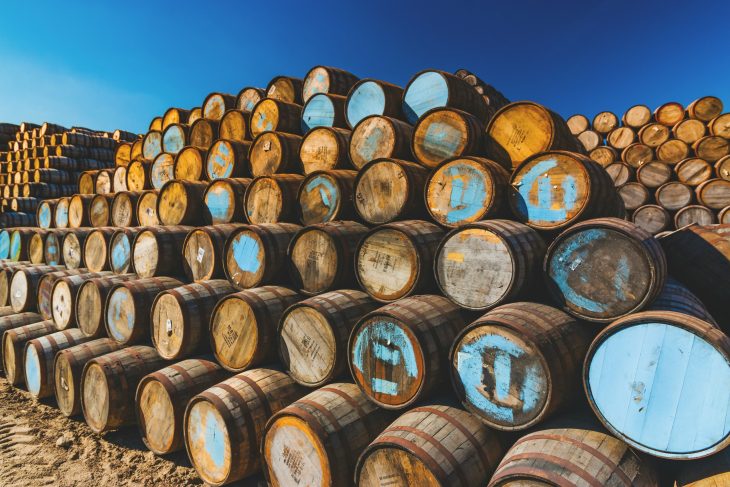
The Art and Science of Barrel Aging Beer at Home
Barrel aging allows beer to take on unique flavors from wood and spirits previously stored in the barrel, creating layers of complexity that simply can’t be replicated in stainless steel. When beer sits in contact with oak, it extracts flavor compounds—lignins break down into vanillin, while oak lactones contribute coconut and woody notes you’ve come to expect from barrel-aged beers.
Micro-oxidation is the slow, controlled introduction of oxygen through the porous wood that benefits the beer—mellowing harsh alcohols, softening aggressive bitterness, and creating sherry-like complexity. The Homebrewers Association and craft breweries nationwide have helped popularize barrel aging techniques that homebrewers can successfully replicate at smaller scales. Smaller five-gallon barrels actually age beer about twice as fast as commercial 55-gallon barrels due to the increased surface area ratio of oak to beer. What might take a year in a commercial setting could happen in four to five months in your homebrewery.
The oak itself contributes structure and character, while the barrel’s previous tenant—whether bourbon, wine, or rum—leaves behind its own fingerprints. Through controlled micro-oxidation, harsh hop bitterness integrates, aggressive alcohols mellow through esterification, and individual components stop standing out as they start working as a cohesive whole. High-gravity beers with at least 8% ABV are the sweet spot for barrel aging projects, as they can withstand the aging process better and stand up to the bold oak flavors. Imperial stouts, barleywines, strong ales, and sours that’ll develop funky complexity over months of patient aging all work beautifully in barrels.
Sourcing the Barrel and Planning the Process
Local micro-distilleries are often willing to sell recently emptied whiskey barrels at reasonable prices, and timing matters—filling a barrel within a day or two of when the distiller emptied it gives you the best flavor, since the remaining spirits help keep the barrel sanitary. Suppliers like Midwest Barrel Co., Red Head Oak Barrels, and Adventures in Homebrewing offer barrels ranging from one gallon to 53 gallons. Consider joining forces with your homebrew club—many clubs have built relationships with local distillers and commercial brewers who offer barrels when they become available. Barrel brokers are middlemen who specialize in connecting used barrels with eager brewers, and they often have rotating stock from various distilleries and wineries.
American oak has a looser grain structure that delivers more potent flavors—think vanilla, coconut, dark chocolate, and even dill or tobacco notes. French oak brings refinement with its tighter grain, offering more subtle spiciness and elegance rather than the in-your-face character of American oak. Hungarian oak sits somewhere between the two, providing a middle ground that works beautifully with full-bodied beers. For your first barrel project, American oak from a bourbon or whiskey barrel is widely available and delivers classic barrel-aged flavors. Five-gallon barrels have about twice the surface area ratio compared to commercial 55-gallon barrels, meaning your beer will age roughly twice as fast.
5bThe charring process affects how deeply flavors penetrate—heavier char gives you more caramelized, toasted notes, while lighter char lets more subtle oak characteristics shine through. Even with high-ABV barrel-aged stouts, you’re getting peak barrel flavor within the first two months, with flavors remaining vibrant around four months.
Brewing the Right Beer for Barrel Aging
Strong stouts are the most common candidates for bourbon barrel aging because their rich, roasted flavors marry beautifully with oak, vanilla, coconut, and bourbon notes. Barleywines and strong ales also excel in barrels—their high alcohol content and intense maltiness make them ideal candidates, and they often oxidize gracefully, developing sherry and dark fruit flavors that complement bourbon characteristics. Saisons aged in wine barrels can pick up beautiful tannic oak, smooth caramel, and fruit-forward notes that complement their naturally spicy, earthy profiles.
You’ll want a base beer with at least 8% ABV unless you’re intentionally souring—barrel aging naturally adds some sourness to lower-ABV beers. Stouts with dark malts are naturally more antioxidant than paler varieties like barleywine, which means they age differently over time and can handle longer barrel stays. The barrel becomes a major flavor component—consider it in the same category as malt and yeast when designing your recipe. Build a solid malt backbone that can support wood flavors. Hop bitterness softens considerably over months in the barrel, so moderate your bittering additions accordingly.
Recipe and Brewday
For a classic bourbon barrel-aged imperial stout, target an original gravity around 1.090-1.110 to land in the 9-12% ABV range:
- Malt Bill: Use 60-70% pale malt or Maris Otter as your base. Layer in roasted barley for coffee-like bitterness, chocolate malt for depth, crystal 120 for caramel sweetness, and midnight wheat for color. For a 5-gallon batch hitting 1.100, expect 20-25 pounds of grain total.
- Hops: Keep it simple with a single bittering addition of Magnum or CTZ to hit 50-60 IBUs. Add a small late addition of English hops for earthy complexity if desired.
- Yeast: Choose strains that handle high gravity well, like US-05 or WLP001. Pitch big—make a starter or pitch multiple packs to ensure healthy fermentation.
- Mash: Single-infusion mash at 150-152°F for 60-90 minutes to favor fermentability while maintaining body.
- Boil: Run a 90-minute boil to drive off DMS and concentrate your wort. Add bittering hops early, flavor additions late.
- Cooling and Pitching: Cool to 65-68°F for ale yeasts. Take detailed original gravity readings.
- Fermentation: Allow two to three weeks for primary fermentation. Track gravity to confirm completion.
- Conditioning: Once you hit final gravity (around 1.020-1.025 for big stouts), give it another week to clean up. Consider cold-crashing and fining before barrel aging to reduce sediment buildup.
Preparing the Barrel
First, swell the wood by filling the barrel with water, which tightens all the joints as the wood absorbs moisture. The barrel might leak for a day or two during this process. If your barrel’s really dried out, submerge it completely in water for 24 hours and the wood should swell back up. Keep checking and topping off water as it soaks in.
Barrels are ideal breeding grounds for wild yeast and bacteria, so you need to hit them with hot water to keep microorganisms under control. Most homebrewers simply pour in hot water (140-185°F) and slosh it around for an hour or so. For spirit barrels with leftover bourbon or whiskey, many brewers skip heavy sanitization entirely—that residual spirit acts as a natural sanitizer, and racking beer directly onto it gives you maximum flavor and protects against contamination.
Key Preparation Steps:
- Fill the barrel with water to swell the wood and check for leaks
- Submerge dried barrels in water for 24 hours if needed
- Sanitize with hot water (140-185°F) for one hour
- Inspect hoops for tightness and heads for cracks
- Test the bung closure system for a snug fit
- Consider a spirit refresh for reused barrels
Filling and Sealing — The Start of Aging
The most common oxidation mistake homebrewers make is splashing while transferring beer between containers—move slowly and deliberately to avoid exposing your beer unnecessarily to air. Set up your siphon so beer flows smoothly from your fermenter into the barrel without splashing or creating waterfalls.
Before filling, consider purging your barrel with CO₂ to eliminate oxygen pickup and keep the beer fresh. Fill the barrel as completely as possible to minimize headspace—less room between the beer’s surface and the top means less trapped air in the barrel. The wood will naturally allow a small amount of oxygen through as it breathes—this micro-oxidation is beneficial and not something to worry about—but massive headspace leads to problematic oxidation.
Once filled, seal the barrel immediately with your wooden bung or silicone stopper. If you’re actually fermenting in the barrel rather than aging already-fermented beer, use a tight-fitting blowoff tube running into a bucket of sanitizer. Write down the fill date, beer name, style, and original gravity on the barrel. Keep the bung closed as much as possible to limit oxygen exposure.
Aging and Tasting Progress
At warmer temperatures above 60°F, wood flavors develop quickly but can taste rough or hot initially, while colder temperatures slow development and tend to allow greater mellowness. Find a spot that stays between 55-65°F with relatively consistent temperature. Barrels stored in warmer climates age much faster than those kept cooler because heat speeds up chemical reactions.
Instead of pulling the bung for samples, drill a small hole using a 7/64-inch bit on the bottom of the barrel head and use stainless steel nails as sampling ports. Start sampling around the one-month mark. By two and a half months, expect a heavy oak presence with bourbon starting to emerge. Around three and a half months is often when the bourbon character really kicks in.
Lignins in the oak break down into vanillin, while oak lactones contribute coconut and woody notes that develop over time. With high-ABV barrel-aged stouts, you’re getting peak flavor from the barrel within the first two months, with flavors staying vibrant around four months—wait much longer and oxidation starts ramping up. When the beer tastes incredible to you, take it out.
Blending, Bottling, and Conditioning
Brewers often blend non-barrel-aged beer back into barrel-aged beer to cut the strength and soften the overall character. Sometimes barrel character comes on too strong, and blending with fresh beer—maybe 20-30% of the final volume—can bring everything into balance. Pull a small sample and dose it with different ratios of fresh beer to find your sweet spot.
Rack your beer from the barrel carefully, using proper technique to avoid splashing and oxygen pickup. Add priming sugar based on your final volume and desired carbonation level. For a big imperial stout, go lower—maybe 1.8-2.2 volumes of CO₂. Sanitize all bottling equipment with something like Star San—properly diluted, it requires only one minute of contact time and doesn’t need rinsing.
One homebrewer found his bourbon barrel stout tasted very boozy straight from the barrel, but after conditioning for two months, it was right where he wanted it. Store bottles somewhere cool and dark. Give them at least three to four weeks before sampling. Over time, a beer’s booziness mellows and creates new aging-derived flavors like fruitiness, caramel, and toffee.
Troubleshooting & Pro Tips
Fixing Common Problems:
- If your barrel’s leaking, submerge it in water for 24 hours to let the wood swell back up—you can even use ratchet straps to hold loose staves and heads together during re-swelling
- Don’t be afraid to dump beer—putting beer in a barrel means embracing the chaos factor, and sometimes batches won’t turn out as hoped
- Remember that any equipment touching sour beer should be isolated from clean brewing in the future—Brett, Lacto, and Pedio are resilient and difficult to sanitize completely
- If over-oaking happens, oak chips and cubes are your friend—use them on subsequent batches when the barrel’s lost some of its intensity
- Want spirit flavor without the barrel commitment? Add bourbon directly to your beer at packaging—the majority of bourbon flavor in commercial barrel-aged beers comes from leftover spirit in the barrel
- Many homebrewers soak oak cubes in bourbon for about a month, then add the bourbon-infused cubes to their bright tank with finished beer for 3-4 weeks
- Plan your barrel program so you always have a new beer ready when you empty the barrel—flush it with warm water to remove leftover trub and fill immediately with fresh beer
- Most professional brewers don’t recommend long-term empty storage—keep your barrels working or keep them wet
Your First Barrel-Aged Masterpiece Awaits
Barrel aging beer at home transforms your homebrew into something extraordinary. With smaller five-gallon barrels aging beer about twice as fast as commercial operations, you’ll see results in four to five months. As lignins break down into vanillin and oak lactones contribute coconut and woody notes, your beer develops layers of complexity impossible to achieve any other way.
Some batches will exceed expectations. Others teach valuable lessons. Start by soaking oak cubes in bourbon and adding them to a gallon of finished stout. Once hooked, invest in that five-gallon barrel and commit to the process. Your barrel aging journey starts now.