
Your recipe’s perfect, your mash temperature’s on point, and you’ve picked killer hops—but here’s where beer yeast specifications become your secret weapon. Those numbers on your yeast packet? They’re basically telling you exactly how your beer will finish, taste, and look before you even pitch. Understanding attenuation percentages, flocculation levels, temperature ranges, and alcohol tolerance turns you from someone who hopes for the best into a brewer who knows what’s coming. These specs unlock consistent, repeatable results every single batch. Crack the code on ester production, phenolic character, and alcohol tolerance, and you’ll design beers with confidence instead of crossing your fingers.
Introduction to Beer Yeast
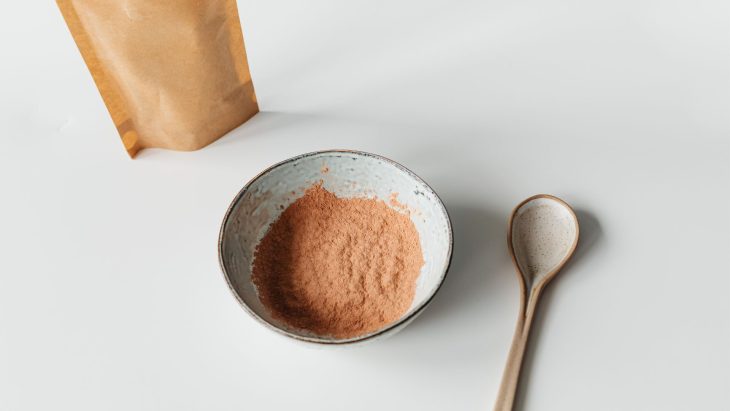
Think of yeast as the magical workforce behind every great beer you’ve ever enjoyed. These microscopic organisms don’t just convert sugars into alcohol—they’re the master architects of flavor, aroma, and character in your homebrew. And understanding their specifications? That’s like having the blueprint to brewing consistency and quality.
Understanding Brewing Yeast
At the heart of beer fermentation are two primary species: Saccharomyces cerevisiae, which creates top-fermenting ales with fruity character, and Saccharomyces pastorianus, a hybrid bottom-fermenting yeast responsible for crisp lagers. But here’s where it gets interesting—each strain within these species has its own personality, bringing unique characteristics to your beer.
Major manufacturers like Lallemand and Fermentis have spent decades perfecting their yeast strains, offering homebrewers everything from neutral workhorses to expressive specialty strains. When you crack open a packet, you’re accessing generations of brewing science condensed into billions of living cells.
Why Yeast Specifications Matter
Here’s the thing about yeast specs: they’re not just numbers on a product sheet. They’re predictive tools that tell you exactly how your fermentation will play out. Will your beer finish dry or retain some sweetness? Will it be crystal clear or beautifully hazy? These outcomes aren’t accidents—they’re written into the yeast’s DNA.
Understanding specifications helps you match strains to beer styles with precision. A Belgian tripel needs yeast that can handle high alcohol and produce those signature spicy esters. A clean American lager demands something entirely different. The specs are your roadmap to getting there.
Related: Dry Yeast vs Liquid Yeast: Which is Better?
Key Yeast Specification Metrics
Commercial yeast suppliers provide detailed performance metrics for each strain, including attenuation percentages, flocculation levels, fermentation temperature ranges, and alcohol tolerance. Think of these as the vital statistics that determine how yeast behaves during fermentation.
Lab-Tested Performance Indicators
The critical metrics include attenuation (typically 65-80% for beer yeasts), flocculation characteristics (high, medium, or low), and viability measurements. These aren’t arbitrary numbers—they’re derived from controlled laboratory fermentations using standardized wort.
Beyond the basics, manufacturers also track ester production patterns, vitality markers, and even specific flavor compounds like diacetyl levels. This data helps brewers anticipate not just fermentation performance, but the actual sensory profile of the finished beer.
Industry Standards for Measurement
The brewing industry uses consistent protocols for measuring yeast performance. Viability refers to the percentage of living cells, while vitality measures how quickly those cells spring into action. Both matter, but vitality often matters more—healthy, vigorous yeast can overcome lower cell counts through rapid reproduction.

Attenuation
Attenuation is basically the yeast’s report card for sugar consumption. It tells you what percentage of fermentable sugars got converted into alcohol and CO2. A strain with 75% attenuation will leave more residual sweetness than one pushing 85%, fundamentally changing your beer’s body and finish.
Apparent vs Real Attenuation
Homebrewers typically measure apparent attenuation—the gravity drop you see on your hydrometer. Real attenuation requires removing alcohol and replacing it with water to get a true picture, but that’s overkill for most homebrewers.
The difference matters because alcohol is less dense than water, making your beer seem more attenuated than it actually is. Most commercial specs use apparent attenuation since it’s what practical brewers measure at home.
Impact on Beer Style
High attenuation strains produce drier beers with higher alcohol content and less residual sweetness, while low attenuation leaves more unfermented sugars for a sweeter, fuller-bodied finish. Belgian saisons thrive with aggressive attenuation, while English ales benefit from strains that quit early.
Your choice of yeast attenuation should align with your target final gravity. Brewing a crisp pilsner? You want that 75-80% range. Making a malty Scottish ale? Look for something gentler, around 65-72%.
Flocculation
Flocculation is the yeast’s tendency to clump together and drop out of suspension once fermentation completes. It’s like watching snow settle—some strains drop fast and heavy, others float around for days. This single characteristic dramatically impacts your beer’s clarity and the efficiency of your brewing process.
High vs Low Flocculation Characteristics
High-flocculating yeasts like English ale strains settle within 3-5 days, creating brilliantly clear beer but potentially leaving some sugars unfermented. Low flocculators can take 15 days to drop, producing cloudier beer but achieving higher attenuation.
Medium flocculation hits the sweet spot for many brewers—enough clarity without sacrificing complete fermentation. Lager yeasts predominantly fall into this medium category, while ale strains span the entire spectrum.
Effects on Beer Clarity and Haze
Think about traditional German hefeweizens—that cloudy appearance isn’t from wheat, it’s from low-flocculating yeast staying in suspension. The same characteristic that creates haze also contributes to the beer’s distinctive mouthfeel and flavor. High flocculation generally produces clearer beers with cleaner, crisper taste profiles.
For New England IPAs and other hazy styles, you actually want low flocculation. For British bitters and clean lagers, high flocculation is your friend. The specs tell you which way your yeast leans.
Related: How To Make Alcohol Without Yeast – It’s Possible!
Fermentation Temperature Range
Temperature is where yeast either performs like a champion or throws a tantrum. Ale yeasts generally work best between 60-75°F (16-24°C), while lager strains prefer cooler temperatures around 46-56°F (8-13°C). Step outside these ranges and you’re rolling the dice on off-flavors.
Temperature Tolerance and Optimal Performance
Every yeast strain has a comfort zone where it produces its intended flavor profile. Push too cool and fermentation slows or stalls. Too warm and you get fusel alcohols, excessive esters, and that harsh “hot” character that screams homebrew mistake.
Temperature dramatically impacts ester and phenol production—fermenting wheat beer yeast at lower temperatures emphasizes fruity esters, while higher temperatures shift toward phenolic spice notes. This gives you some control to steer flavor within a strain’s range.
Managing Off-Flavors Through Temperature Control
The difference between a clean fermentation and a fusel mess often comes down to a few degrees. Controlling temperature isn’t optional for quality brewing—it’s fundamental. Even subtle temperature swings during fermentation can alter your beer’s aromatic profile.
Smart brewers use temperature as a dial to fine-tune character. Want more banana from your hefeweizen? Ferment warm. Prefer a cleaner profile from your Belgian? Keep it on the cooler end of the range.
Alcohol Tolerance
Most beer yeasts can handle 8-12% ABV, though some English strains tap out around 7% while high-gravity Belgian and specialty strains push into the 13-15% range. This ceiling isn’t just a suggestion—yeast cells literally shut down when ethanol concentration exceeds their tolerance.
Maximum ABV Capability
For extreme brewing, specialty strains like White Labs WLP099 can ferment up to 25% alcohol when properly managed with staged sugar additions. But for most homebrew applications, knowing whether your yeast quits at 10% or pushes to 14% determines whether your barley wine finishes dry or syrupy.
As yeast approaches its alcohol tolerance limit, fermentation slows considerably and stops within a percent or two of the published threshold. This can leave you with an underattenuated, overly sweet beer if you didn’t plan accordingly.
Brewing Strong Ales and High-Gravity Beers
Belgian Trappist and strong ale yeasts are workhorses for high-gravity brewing, tolerating 11-13% ABV while maintaining desirable flavor characteristics. Compare that to standard ale yeasts, and you see why strain selection matters for imperial stouts and barley wines.
Success with big beers requires proper yeast nutrition, adequate oxygen, and often stepped feeding of fermentables. The alcohol tolerance spec tells you if you’re even in the right ballpark with your yeast choice.
Flavor & Ester Profile
This is where yeast transforms from a simple fermenting agent into an artist. Esters like isoamyl acetate create banana and fruity flavors, while phenolic compounds contribute spicy, clove-like notes. Some strains are neutral canvases that let malt and hops shine; others paint bold strokes of character across your beer.
Ester Production and Aroma Compounds
Isoamyl acetate, which produces banana aromas around 0.6-1.2 ppm, is the signature ester in Bavarian wheat beers, combining with clove-like phenols to create that classic hefeweizen profile. Other esters contribute apple, pear, honey, and even rose-like notes depending on the strain.
Ester formation is complex, influenced by yeast strain, oxygen levels, fermentation temperature, wort gravity, and pitch rate. Lower oxygen actually increases ester production by altering how yeast metabolizes fatty acids during fermentation.
Phenolic Character (POF+ and POF-)
Phenolic off-flavor (POF) positive strains can convert ferulic acid into 4-vinyl guaiacol, producing desirable clove character in wheat beers and Belgian ales. POF-negative strains lack this ability, making them ideal for clean American and lager styles where phenols would be inappropriate.
When specs list a strain as “phenolic” or include POF status, they’re telling you whether to expect spicy complexity or neutral cleanliness. This single characteristic determines whether a yeast suits German wheat beer or California common.
Yeast Form: Dry vs Liquid
The dry versus liquid debate has mellowed as dry yeast quality has skyrocketed. Dry yeast boasts a shelf life of up to 3 years, doesn’t require refrigeration, and contains about 200 billion cells per packet compared to 100 billion in liquid yeast. That’s double the cell count for half the price in many cases.
Specification Differences by Form
Liquid yeast requires refrigeration and has a shorter shelf life of approximately 3 months, but offers a vastly greater variety of strains. This trade-off means dry yeast wins for convenience and reliability, while liquid yeast provides access to highly specialized strains.
Dry yeast comes packaged with nutrient reserves and reduced oxygen requirements, making it more forgiving for beginners. The dehydration process selects for hardy strains, so not every liquid yeast has a dry equivalent.
Viability and Storage Considerations
Manufacturer guidelines typically guarantee viability for 2 years on dry yeast and 6 months on liquid, though proper storage can extend these considerably. Temperature stability matters more than absolute cold for dry yeast, while liquid cultures demand consistent refrigeration.
Rehydration instructions for dry yeast aren’t just suggestions—they’re part of the spec. Proper rehydration minimizes osmotic shock and maximizes viability, especially critical for high-gravity brewing where every yeast cell counts.
Choosing the Right Yeast
Reading specs is one thing; translating them into the perfect yeast choice is where art meets science. Beer Judge Certification Program (BJCP) style guidelines provide a framework for matching yeast characteristics to traditional beer styles, but don’t be afraid to experiment once you understand the fundamentals.
Pairing Strains with Beer Styles
A crisp pilsner demands neutral, highly-attenuating lager yeast with excellent flocculation. Belgian tripels need strains that tolerate high alcohol, produce fruity esters, and finish dry. English bitters want moderate attenuation, high flocculation, and subtle fruitiness. The specs hand you these answers on a silver platter.
Consider flocculation, attenuation limits, fermentation temperature ranges, and flavor profiles together—not in isolation. A strain might have perfect attenuation for your style but produce inappropriate esters at your fermentation temperature.
Interpreting Technical Data for Brewing Success
Start with your target final gravity and work backward. If you want a beer finishing at 1.012 from 1.060 OG, that’s 80% apparent attenuation—eliminate strains below that threshold. Next, filter by the appropriate temperature range and alcohol tolerance. Finally, select based on desired flavor contribution.
The best yeast choice balances practical considerations (availability, cost, form) with technical requirements (attenuation, temperature, tolerance) and artistic vision (flavor, aroma, mouthfeel). Specs give you the data to make that choice confidently, batch after batch.
Master Your Yeast, Master Your Beer
Yeast specifications aren’t just numbers on a packet—they’re your blueprint for brewing success. Understanding attenuation tells you whether your beer finishes dry or sweet, while flocculation determines if you’ll pour crystal-clear pints or beautifully hazy brews. Temperature ranges and alcohol tolerance specs prevent off-flavors and stuck fermentations before they happen. The ester and phenol profiles reveal whether you’ll get banana-forward hefeweizens or clean lagers. Whether you’re choosing convenient dry yeast with its long shelf life or specialized liquid strains for authentic character, these specs transform guesswork into precision. Stop wondering why your beers turn out a certain way—start designing them exactly as you envision by reading and understanding yeast specifications.
FAQs
Beer yeasts fall into two main species: Saccharomyces cerevisiae (ale yeast) and Saccharomyces pastorianus (lager yeast). Ale yeasts ferment at warmer temperatures (60-75°F) at the top of the fermenter, producing fruity, complex flavors. Lager yeasts work cooler (46-56°F) at the bottom, creating clean, crisp profiles. Within these species exist hundreds of strains—from neutral American ales to spicy Belgian yeasts to specialty strains for wheat beers and sour styles.
Beer uses Saccharomyces cerevisiae for ales and Saccharomyces pastorianus for lagers. Ale yeast ferments at warmer temperatures (60-75°F), producing fruity esters and complex flavors in styles like IPAs, stouts, and Belgian ales. Lager yeast prefers cooler temps (46-56°F), creating the clean, crisp character in pilsners and traditional lagers. Both come in dry or liquid form, with hundreds of unique strains offering different flavor profiles, attenuation levels, and performance characteristics.