
Brewing with honey can transform your beer with floral aromatics or create incredible mead, but figuring out when to add it and how much to use trips up most homebrewers. The thing is, honey’s 95% fermentability means it acts totally different than grain—it boosts alcohol while keeping things light and crisp. Get the timing right, nail the proportions, and you’ll brew everything from crushable honey wheat ales to complex meads worth aging for years. Once you understand how honey behaves during fermentation and which varietals work best for different styles, you’ll unlock serious brewing potential.
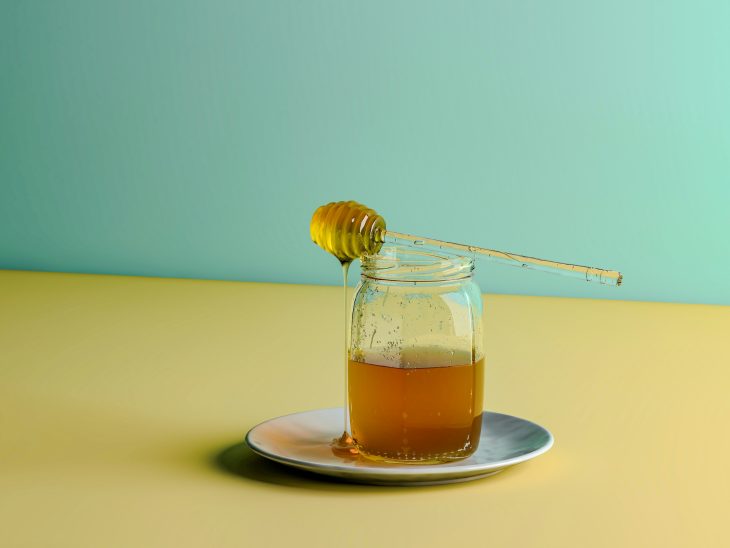
Introduction to Brewing With Honey
Brewing with honey is an ancient practice dating back thousands of years, when people discovered that honey mixed with water would spontaneously ferment. Today, brewers add honey to create both beer and mead, each serving different purposes in the fermentation process.
Beer uses honey as a supplemental ingredient alongside grain, while mead features honey as the primary fermentable. Brewers incorporate honey into recipes to increase alcohol content, lighten body, and add subtle floral characteristics. As a natural sweetener, honey provides highly fermentable sugars that convert almost completely to alcohol during fermentation.
The key difference between honey beer and mead lies in the foundation: beer builds on a grain base with honey as an accent, while mead relies entirely on honey, water, and yeast. Both showcase honey’s versatility in fermentation, carrying forward a brewing tradition that predates written history.
What Honey Contributes to Brewing
Honey brings complex flavors and aromas to brewing that vary significantly based on floral sources. The flavor profile ranges from delicate and floral to bold and robust, with aromatics that can enhance finished beverages when handled properly.
The sugar composition of honey consists primarily of fructose and glucose, which are simple sugars that yeast readily consumes. At approximately 95% fermentability, honey converts almost entirely to alcohol rather than leaving residual sweetness. This high fermentability means honey increases alcohol content while creating a lighter body and drier finish.
Key contributions honey makes to brewing:
- Gravity boost – Adds fermentable sugars that increase original gravity and final ABV
- Body lightening – Ferments completely dry, reducing mouthfeel heaviness compared to grain
- Floral aromatics – Contribute delicate aromatic compounds that survive fermentation when added properly
- Flavor complexity – Introduces subtle honey characteristics that complement other ingredients
- Dryness – Nearly complete fermentation creates crisp, clean finishes in beer
The floral notes and aromatic qualities persist through fermentation when honey is added at appropriate stages, though aggressive boiling destroys these delicate compounds.
Related: All You Want to Know About Honey Beer + Our Picks
Types of Honey for Brewing
Different honey varietals produce distinct flavors in finished beverages, making variety selection important for achieving desired results.
Wildflower honey comes from bees collecting nectar from multiple flower sources. This creates complex, variable flavors that change with seasons and geography. It’s the most common choice for commercial breweries due to availability, affordability, and robust character. Wildflower honey works well across most beer styles and provides solid base characteristics for traditional mead.
Monofloral honeys come from single-flower sources. Clover honey offers mild, sweet, floral notes perfect for lighter beer styles. Orange blossom provides citrusy undertones with fragrant aromas that complement wheat beers and pale ales. Buckwheat honey delivers dark, earthy, molasses-like intensity suited to stouts and porters.
Raw, unprocessed honey retains natural enzymes, vitamins, and antibacterial properties that processed honey loses through heat treatment and filtration. While processed supermarket honey ferments successfully, raw honey from local beekeepers provides superior flavor complexity and fresher characteristics. Darker honeys contain more intense flavors than lighter varieties, so match honey intensity to beer style. Lighter beers pair best with delicate honeys like clover or acacia, while darker beers handle bold honeys like buckwheat.
Brewing Beer With Honey
Honey functions differently in beer than grain-based fermentables. The simple sugars in honey require no enzymatic breakdown in the mash, making them immediately available for yeast consumption. This creates specific effects on the finished beer’s characteristics.
When added to wort, honey increases original gravity without affecting final gravity, since it ferments nearly completely. This results in higher alcohol content with a lighter body and drier finish compared to all-grain beers at similar strength. The lack of unfermentable dextrins means honey doesn’t contribute to mouthfeel density.
Honey’s acidity and unique carbohydrate composition can complement hop bitterness in styles like IPAs and pale ales, though the interaction is subtle. The yeast ferments malt sugars first, then processes honey sugars, which can extend total fermentation time by several days or weeks.
Effects of honey in beer brewing:
- Increases ABV without adding malty sweetness or body
- Creates a drier finish due to complete fermentation
- Lightens the body, making beer more sessionable
- Extends fermentation time as yeast processes simple sugars
- Works well in summer ales, wheat beers, and lighter styles
Grain bills provide sufficient yeast nutrients, so nitrogen deficiency rarely causes problems in beer. However, expect fermentation to take longer than standard all-grain batches. Don’t rush to bottle—verify stable final gravity over multiple days to ensure honey has fermented completely.
For preserving honey’s character, avoid extended boiling. The volatile aromatic compounds that give honey its distinctive character break down under prolonged heat exposure.
Making Mead (Honey Wine)
Mead represents pure honey fermentation using only honey, water, and yeast. This simplicity makes it possibly the oldest intentional alcoholic beverage humans created, likely discovered through spontaneous fermentation of honey-water mixtures.
The must—the pre-fermentation honey-water blend—requires proper density to ferment successfully. Too dilute produces weak, watery mead, while too concentrated can stress or stall the yeast. Traditional methods used egg flotation to gauge density; modern brewers use hydrometers to measure specific gravity.
Mead yeast strains handle high sugar concentrations and low-nutrient environments better than standard beer yeast. Popular choices include D47, EC-1118, and other wine or champagne yeasts that tolerate alcohol levels up to 14-18% while producing clean fermentations.
Essential mead-making considerations:
- Honey lacks nitrogen and nutrients yeast requires for healthy fermentation
- Add yeast nutrients in stages during active fermentation to prevent stalls
- Primary fermentation takes 3 weeks to several months, depending onthe recipe
- Aging mead for 6-12 months minimum develops smoothness and complexity
- Young mead tastes harsh and hot; proper aging is essential
- Temperature control at 60-70°F produces cleaner flavors
The biggest challenge with mead is patience. While beer is ready within weeks, mead demands months or years to reach peak quality. Rushing the process results in harsh, unbalanced beverages. Nutrient additions are non-negotiable—honey alone doesn’t provide what yeast needs for healthy fermentation. Without proper nutrients, fermentations stall and develop off-flavors that aging won’t fix.
When to Add Honey
Timing the honey addition significantly impacts the finished beverage’s flavor and aroma characteristics.
Adding honey early in the boil sanitizes it but destroys delicate aromatic compounds through prolonged heat exposure. This produces higher alcohol without honey flavor or aroma—essentially expensive simple sugar.
Late boil additions (final 5-10 minutes) preserve more aromatics while still providing some sanitization. This represents a middle ground for brewers concerned about wild yeast or bacteria in raw honey.
Adding honey directly to the fermenter at high kraeusen preserves maximum flavor and aroma. Honey’s natural antibacterial properties make infection risk low, and active fermentation provides additional protection through alcohol presence and yeast competition. This method produces the strongest honey character.
Some brewers pasteurize honey by heating it to 176°F for 60-90 minutes, then cooling it before adding it to the fermenter. This sanitizes without boiling but requires careful temperature control.
For mead, avoid heating honey entirely. Mix with room temperature water to preserve all aromatic compounds and delicate flavors. The traditional no-heat method has worked for millennia and produces superior results compared to boiled honey mead.
Related: Pumpkin Beer Brewing: A Complete Beginner’s Guide
How Much Honey to Use
For beer, use 5-10% of total fermentables as honey. Below 5%, the honey character gets lost among other ingredients. Above 10%, the beer shifts toward braggot territory with dominant honey characteristics.
A typical 5-gallon beer batch uses 1-2 pounds of honey. One pound provides subtle honey notes, while two pounds makes honey a prominent flavor component. Honey contributes approximately 35 gravity points per pound per gallon, so one pound in 5 gallons adds roughly 7 gravity points.
Since honey ferments completely, it increases original gravity and alcohol content without affecting final gravity. Calculate your grain bill to reach a base gravity, then add honey to achieve the target OG. Remember that honey won’t leave residual sweetness—it ferments dry.
Traditional mead uses 2.5-3.5 pounds of honey per gallon of water, yielding 10-14% ABV. Lighter session meads use 2 pounds per gallon, while stronger dessert meads use 4+ pounds. Higher honey ratios can leave residual sweetness because yeast stops fermenting around 12-15% ABV due to alcohol toxicity. If honey provides enough sugar to produce 18% ABV theoretically, fermentation stops before completion, leaving sweet mead.
Common Mistakes
Overheating honey
- Problem: Boiling honey for extended periods destroys aromatic compounds and flavor
- Solution: Add honey at flameout, in the final 5-10 minutes of boil, or directly to the fermenter
Rushing fermentation
- Problem: Bottling before honey fully ferments causes gushers and bottle bombs
- Solution: Take gravity readings over 3+ days to confirm stable final gravity before bottling
Skipping nutrients in mead
- Problem: Honey lacks nitrogen; yeast stalls and produces off-flavors
- Solution: Add yeast nutrients in stages during active fermentation
Mismatching honey intensity to beer style
- Problem: Strong honeys overpower delicate beers; subtle honeys disappear in robust beers
- Solution: Use lighter honeys (clover, orange blossom) in lighter styles, darker honeys (buckwheat) in heavier beers
Infection paranoia or negligence
- Problem: Over-boiling from fear destroys flavor; poor sanitation from overconfidence causes contamination
- Solution: Use clean equipment, add honey to active fermentation, or pasteurize at 176°F without boiling
Using poor-quality honey
- Problem: Off-flavors in honey transfer to the finished beverage
- Solution: Taste honey before brewing; source fresh, quality honey from reputable suppliers
Final Tips
Start simple with a basic recipe using 1 pound of wildflower honey in a blonde ale or wheat beer. Add honey during active fermentation to preserve character. Taste the results, take notes, then experiment with different varietals, amounts, and timing in subsequent batches.
Control fermentation temperatures in the low-to-mid 60s°F for ales to avoid fusel alcohols from heat stress. Honey fermentation generates significant heat during active phases.
Exercise patience—honey beers improve notably after 4-8 weeks of conditioning. Mead requires a minimum of 6-12 months aging, with many meads peaking at 1-3 years. The wait dramatically improves flavor integration and smoothness.
Source honey from local beekeepers or farmers’ markets when possible. Raw, local honey provides superior flavor and freshness compared to processed supermarket varieties while supporting local agriculture. Build relationships with beekeepers to access specialty varietals unavailable in retail stores.
Ready to Brew With Honey?
Brewing with honey is easier than you’d think once you nail the basics. Remember that honey’s 95% fermentable, so it’ll boost your ABV and lighten body instead of adding sweetness. Add it during active fermentation to keep those floral aromatics intact—boiling destroys the good stuff. Match your honey to your beer style: lighter honeys for wheat beers, darker varieties for stouts. Start with 1-2 pounds per 5-gallon batch for beer or 2.5-3.5 pounds per gallon for mead. The biggest game-changer? Patience. Give your honey beer 4-8 weeks to condition, and mead at least 6-12 months to age properly. Now grab some quality local honey and start experimenting with your next batch.