
If you’ve ever cracked open a cold beer and watched those bubbles rise, you’ve probably wondered – how does beer get carbonated? Nothing’s more disappointing than pouring a homebrew that should fizz and sparkle, only to find it lifeless and dull. Understanding carbonation isn’t just about curiosity—it’s the difference between a perfect pour and a disappointing drink. Whether you’re a brewing novice or just want to appreciate your favorite beverage better, knowing the science and methods behind beer carbonation will transform your brewing and drinking experience.
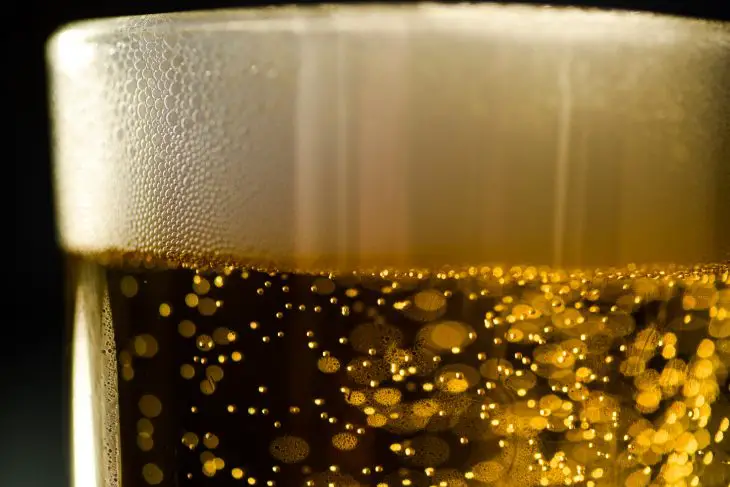
What Is Carbonation?
Have you ever wondered why your beer has those delightful bubbles that dance their way to the top of your glass? That’s carbonation at work, and it’s one of the most fascinating aspects of brewing.
Carbonation happens when carbon dioxide (CO2) dissolves into a liquid under pressure. Think of it like a tiny army of microscopic bubbles waiting to make their grand escape. When you pop open that bottle or tap your keg, you’re releasing the pressure and letting those bubbles throw their party. It’s the same reason your soda fizzes and your sparkling water tingles on your tongue.
Those little CO2 bubbles aren’t just there for show – they’re crucial for the entire beer experience. They carry aromatic compounds to your nose, create that satisfying mouthfeel, and give your beer its signature bite. Without carbonation, your favorite craft brew would taste flat and lifeless, like a party with no music.
In the brewing world, we’ve got two main ways to get those bubbles dancing. Natural carbonation happens when yeast munches on sugar and produces CO2 as a byproduct. Forced carbonation, like what you’d find in most sodas and commercial beers, involves pushing CO2 directly into the liquid under pressure. Both methods work wonders, but each gives your beer a slightly different personality.
Why Beer Needs Carbonation
Carbonation is essential for creating the complete beer experience. Those CO2 bubbles carry hop oils and malt aromas to your olfactory receptors, enhancing the flavor profile. Without carbonation, an IPA would lose its crisp character and taste flat.
The foam head on your beer serves multiple purposes beyond appearance. Carbonation creates and maintains head retention, which traps aromatic compounds that would otherwise escape. Each bubble in the foam contains concentrated aromatics that release when they reach your lips, intensifying the sensory experience.
Carbonation affects different beer styles differently. It amplifies bitterness in IPAs, balances sweetness in stouts, and enhances citrus notes in wheat beers. The carbon dioxide interacts with beer ingredients to bring out specific flavor characteristics that would remain subdued without it.
The mouthfeel created by carbonation ranges from gentle effervescence in British ales to the sharp bite in Belgian tripels. These bubbles create texture on your tongue, cleansing your palate between sips and maintaining taste sensitivity throughout your drinking session.
Related: How to Force Carbonate Your Homebrew Beer
Natural Carbonation from Fermentation
Picture your beer fermenter as a buzzing kitchen where yeast acts like tiny chefs whipping up something magical. These microscopic brewers don’t just munch on sugars for fun – they’re creating a symphony of flavors, alcohol, and those wonderful bubbles we call carbonation.
When yeast cells feast on sugar, they produce two main byproducts: ethanol (the alcohol in your beer) and carbon dioxide. It’s like watching nature’s most efficient recycling program, where fermentation gases become beer’s most sparkling feature.
During primary fermentation, most of this CO2 escapes through your airlock – that satisfying bubbling sound you hear? That’s your yeast hard at work. But when you bottle or cap that beer for conditioning, the CO2 has nowhere to go but into your brew, creating natural carbonation that’s smoother than a jazz saxophone solo.
Temperature plays sous chef to your yeast’s bubbling magic. Warmer conditions speed up yeast metabolism, while cooler temps slow things down, giving you control over carbonation levels. This natural carbonation method gives your brew character you can’t force artificially. The bubbles form smaller and more consistently, creating a creamier mouthfeel that lets each flavor note shine through. Plus, those active yeast cells continue working their magic during aging.
Forced Carbonation
While natural carbonation relies on yeast’s patient work, forced carbonation is like hitting the fast-forward button on bubble creation. Commercial breweries and many homebrewers have embraced this modern method, which uses CO₂ tanks to inject carbon dioxide directly into beer – no waiting required.
Think of forced carbonation as the espresso machine of the brewing world. Instead of letting time and nature take their course, pressurized beer gets its fizz in a matter of hours or days. CO₂ tanks connect to kegs through regulators, pushing carbon dioxide straight into your brew at precise pressure levels.
The secret weapon in many commercial operations? Carbonation stones. These porous ceramic or stainless steel devices create thousands of tiny bubbles, maximizing surface area and speeding up the absorption process. It’s like adding millions of microscopic CO₂ delivery systems to your beer.
Temperature and pressure dance together in this forced carbonation method. Cold beer absorbs CO₂ more readily – that’s why pros keep their bright tanks chilled. Higher pressure means more dissolved gas, but you’ll need to balance this carefully to avoid over-carbonation that turns your smooth lager into a foam fountain.
This CO₂ beer method offers unmatched consistency and control. Brewers can nail exact carbonation levels for every style, from gently effervescent English ales to champagne-crisp Belgian tripels. While it may lack the romantic charm of bottle conditioning, forced carbonation delivers reliable results that keep both brewers and drinkers happy.
Related: Non-Carbonated Beers Explained
Priming Sugar and Bottle Conditioning
Think of priming sugar as the final fuel injection for your beer’s carbonation journey. This old-school method gives your brewers’ yeast a dessert course – a carefully measured dose of sugar they’ll convert into those perfect bubbles right inside the bottle. Most homebrewers swear by corn sugar (dextrose) or table sugar, though honey and dried malt extract work beautifully too.
Calculating priming sugar amounts is where the magic happens. You’ll typically need about 3/4 cup of corn sugar for a standard 5-gallon batch, but temperature, beer style, and desired carbonation level all play their part. Dissolve your priming sugar in boiling water to sterilize it, let it cool, then gently mix it into your beer for even distribution.
Bottle conditioning transforms flat beer into a sparkling masterpiece through secondary fermentation. Those hungry yeast cells wake up for one last feast, consuming sugar and producing CO2 that, trapped in your sealed bottle, dissolves right back into the beer. This homebrewing carbonation technique requires patience; your bottles need about two weeks at room temperature (68-72°F) for the yeast to work its magic.
Unlike forced carbonation, bottle conditioning creates finer, longer-lasting bubbles that many craft beer enthusiasts prefer. After two weeks, chill a test bottle, crack it open, and check the carbonation level before refrigerating your whole batch.
Factors Affecting Carbonation Levels
Getting your beer’s carbonation right is like nailing the perfect sourdough – it takes attention to detail. Temperature is your secret weapon here. For bottle conditioning, stick to 68-72°F; this keeps yeast productive without creating gushers. When force carbonating, colder is better – around 38°F helps CO2 dissolve more easily.
Sugar content orchestrates the whole show. Too much priming sugar creates bottle rockets, while too little leaves you with flat disappointment. The standard 3/4 cup per 5-gallon batch is science, not superstition.
Yeast health makes or breaks carbonation. Stressed yeast produces inconsistent results, no matter how perfect everything else is. Fresh yeast and stable temperatures keep these microscopic athletes performing their best.
Common issues like over-carbonated gushers or flat beer usually trace back to temperature swings, measurement errors, or tired yeast. For forced carbonation, quality pressure gauges act like your car’s speedometer – essential for hitting precise levels consistently.
How Carbonation Affects Flavor
Ever notice how flat beer tastes nothing like its bubbly counterpart? That’s because carbonation transforms your beer from a simple liquid into a full sensory experience. CO₂ molecules create a slight carbonic acid tang when they dissolve, adding a subtle bite that wakes up your taste buds like nature’s alarm clock.
Those tiny bubbles work overtime as flavor taxis, shuttling aromatic compounds from the liquid to your nose. When these bubbles pop, they release a microscopic mist of beer particles that carry hop oils, malt essence, and fruity esters straight to your olfactory receptors.
Your taste buds react differently when carbonation’s in the mix. The tingly sensation from CO₂ stimulates pain receptors alongside taste receptors, creating what brewers call “mouthfeel.” This sensation isn’t just texture – it directly impacts how you perceive sweetness, bitterness, and acidity. Carbonation acts as nature’s palate cleanser, scrubbing your tongue between sips and preventing flavor fatigue. Without it, rich stouts would coat your mouth, and IPAs would seem one-dimensional.
Carbonation in Different Beer Styles
Carbonation levels vary as much as the beers themselves. Understanding these differences helps you appreciate each style’s unique character and even nail your homebrewing game.
How Lagers, Ales, and Stouts Differ
Lagers typically sport a medium to high carbonation that keeps them crisp and refreshing:
- 2.5 to 2.8 volumes of CO2
- Creates that classic clean bite in pilsners and helles
- Higher carbonation sharpens delicate malt profiles
- Accentuates subtle hop characteristics
Ales dance across the carbonation spectrum depending on their region of origin:
- Belgian ales: Up to 4.5 volumes (champagne-like fizz)
- British ales: 1.5-2.0 volumes (gentle carbonation)
- American pale ales and IPAs: 2.3-2.6 volumes
- Carbonation levels balance bold hop character
Stouts embrace the low end of carbonation:
- 1.5 to 2.2 volumes of CO2
- Gentler approach lets roasted flavors shine
- Preserves creamy texture without interference
- Too much fizz would overwhelm chocolate and coffee notes
Think of it like the difference between a sparkling water and a smoothie – the carbonation level needs to match the beer’s character.
High carbonation beers like German wheat beers (up to 4 volumes) create a lively, effervescent experience that brings out banana and clove notes. Meanwhile, low carbonation beers such as British milds or barleywines (1-1.5 volumes) focus on showcasing complex malt character and warming alcohol without distraction.
Appreciating Carbonation
Next time you pour a beer, watch those bubbles work their magic. They’re not just fizz – they’re flavor taxis, aroma carriers, and palate cleansers rolled into tiny CO2 packages. That perfect foam head traps delicious scents while the bubbles scrub your tongue between sips, keeping each taste fresh. Whether you’re savoring a crisp lager’s sharp sparkle or a stout’s gentle effervescence, carbonation turns ordinary liquid into liquid gold. Those rising bubble streams? That’s where the real beer magic happens.
FAQs
Carbonation in beer comes from carbon dioxide (CO2) dissolving into the liquid under pressure. This happens through two methods: natural carbonation, where yeast consumes sugar during fermentation and produces CO2 as a byproduct, or forced carbonation, where CO2 is directly injected into the beer. Both methods create those characteristic bubbles that define a properly carbonated beer.
Most commercial breweries use forced carbonation, where CO2 is injected directly into beer under pressure using specialized equipment like carbonation stones. This method allows for precise control and consistency across large batches in just hours. Some craft breweries still use natural carbonation through bottle conditioning, where yeast continues fermenting in the sealed bottle to create bubbles.