
Most beer drinkers assume they’re guzzling liquid sugar bombs while wine sippers pat themselves on the back for making “healthier” choices. But here’s the kicker – you’ve been lied to by conventional wisdom about how much sugar in beer actually exists.
The truth about beer’s sugar content will flip everything you thought you knew about alcoholic beverages upside down. This breakdown covers fermentation science, sugar levels across every beer style from IPAs to stouts, and reveals which popular drinks are actually the sugar villains.
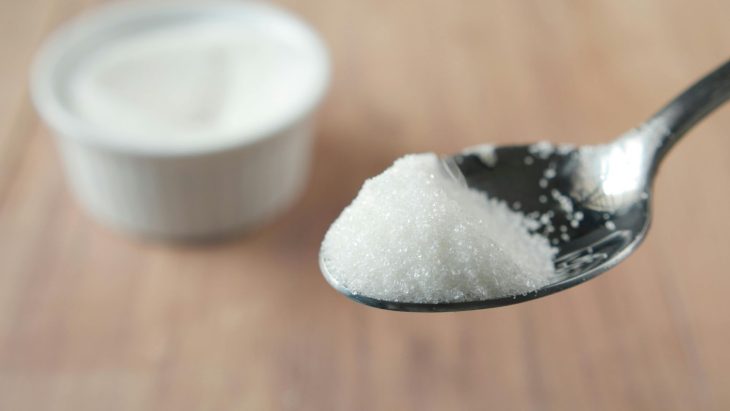
What Is Sugar in Beer?
Sugar in beer isn’t added as an ingredient but is created naturally when grains are processed and fermented by yeast. Beer production starts with starchy grains that undergo enzymatic conversion to produce fermentable sugars.
The process begins with barley, which contains mostly starch. Since yeasts can’t ferment starch directly, they require sugar for fermentation. Through malting, barley grain is soaked and drained to initiate germination, activating enzymes that convert stored starch into fermentable sugars.
Starch conversion releases approximately 70-80% fermentable sugars: maltose (60-65%), maltotriose (15-20%), and glucose (10-15%). Maltose dominates as the primary fermentable sugar, a disaccharide composed of two glucose molecules that comprises about 40% of total wort carbohydrates.
But brewers aren’t always content with nature’s lineup. Different sugars can be added to raise alcohol levels without increasing body, lighten the beer while maintaining alcohol, add flavors, or prime for carbonation. Understanding residual sugars matters because beers with more residual sugar have fuller bodies and taste sweeter, while those with less are drier with a lighter mouthfeel.
Related: Does Whiskey Have Sugar and How Much?
How Beer Is Brewed
Brewing transforms grains into beer through three key sugar conversion stages. First comes mashing, where crushed malted grains combine with hot water, creating a mixture called mash. Enzymes activated during malting break down starches into fermentable sugars by converting complex starch chains into simpler sugar molecules. Temperature controls sugar production: lower mash temperatures around 63°C create highly fermentable wort, while higher temperatures around 72°C produce more unfermentable sugars that add body and sweetness.
Next comes wort creation. This liquid contains 70-80% fermentable sugars: maltose (60-65%), maltotriose (15-20%), and glucose (10-15%). The wort gets separated from spent grain through lautering and sparging, where hot water extracts remaining sugars from the grain bed.
Finally, fermentation begins when yeast contact with the cooled wort. Yeast consumes sugars in a specific order: glucose first, then maltose, followed by maltotriose. This sequential consumption produces alcohol and CO2 while determining whether the finished beer tastes dry or sweet. The yeast’s ability to ferment different sugar types directly affects the beer’s final alcohol content and residual sweetness levels.
How Much Sugar Is in Different Types of Beer?
Light Beers: Lowest Overall Sugar
Light beers consistently contain the least sugar, though they have slightly more residual sugar than regular beers – around 0.3 to 1 gram per 12-ounce serving compared to regular beer’s near-zero sugar content. This occurs because light beers are produced by adding glucoamylase to the wort, an enzyme that breaks down residual carbs and transforms them into fermentable sugars. This process reduces calories and alcohol but leaves behind trace amounts of sugar.
Lagers and Regular Beers: Standard Levels
Most regular beers contain close to 0 grams of sugar per 12-ounce serving, with about 13 grams of carbohydrates. Regular beers typically range from 2-6 grams of residual sugar per 12-ounce serving, depending on the specific style. The fermentation process in these beers converts nearly all fermentable sugars into alcohol, leaving behind primarily unfermentable carbohydrates.
IPAs: Low Sugar Content
IPAs typically contain less than 1 gram of residual sugar per 12-ounce serving due to their extensive fermentation process. Double IPAs start with more fermentable sugars but still end up with only around 2-3 grams per 12-ounce serving, while Session IPAs often have less than 1 gram. The hop-forward brewing process ferments out more sugars than expected.
Stouts: Variable Sugar Levels
Color doesn’t determine sugar content. American Stouts contain roughly the same sugar content as American IPAs, usually around 20 grams per glass based on final gravity measurements. Rich and creamy stouts can have sugar content as high as 6 grams per serving, especially varieties with chocolate or coffee flavors. The roasted malts create a dark color without necessarily adding more residual sugar.
Low-Sugar and Sugar-Free Beer Options
Top low-carb beer options:
- Bud Light Next – Zero carbohydrates while maintaining a refreshing taste
- Budweiser Select 55 – Just 2 grams of carbs and 2.4% ABV per 12-ounce serving
- Michelob Ultra – 2.6 grams of carbohydrates and 95 calories per 12-ounce serving
- Corona Premier – 2.6 grams of carbs with a familiar golden lager taste
- Miller Lite – 3.2 grams of carbs at 4.2% ABV
- Dogfish Head Slightly Mighty – Uses zero-carb monk fruit sweetener, just 3.6 grams of carbs per can
- Coors Light – 5 grams of carbs per serving
Hidden Sugars in Beer
Corn syrup isn’t typically used as a sweetener in beer, rather, it’s used as a cheap sugar that ferments. Major breweries like Anheuser-Busch and MillerCoors have been using corn syrup as an adjunct for decades, though they weren’t exactly advertising it until consumer pressure forced transparency.
Large breweries use it to reduce costs and lighten flavor, creating thinner, more neutral beers that appeal to mass-market tastes. The corn syrup ferments out completely, leaving behind alcohol rather than residual sweetness.
Fruit beers present another sugar story entirely. Fruit beer can be broadly classified into three types: adding fruits directly, adding fruit extracts, and adding fruit-flavored additives. The third category uses artificial sweeteners and flavor compounds to create fruity character without real fruit complexity.
Some craft breweries are experimenting with alternatives like monk-fruit extract as an ostensibly natural way to balance out lighter, bone-dry beers. While traditional beer contains virtually no sugar after fermentation, these modern additions are reshaping what we consider “beer.”
Does Alcohol Affect Blood Sugar?
Your liver can’t multitask – it’ll choose processing alcohol over maintaining blood sugar levels. Your liver will choose to metabolize the alcohol over maintaining your blood glucose, which can lead to hypoglycemia, and within a few minutes of drinking alcohol, and for up to 12 hours afterward, alcohol can cause your blood glucose level to drop.
Beer initially spikes glucose from its carbs, then causes dangerous drops as your liver focuses on alcohol processing. The scary part? Many of the symptoms of hypoglycemia, such as slurred speech, drowsiness, confusion, or difficulty walking, are also symptoms of being drunk. Always pair beer with carb-containing food to stabilize blood sugar.
Related: Bottle Priming: How to Use Priming Sugar to Bottle Beer
Sugar in Beer vs. Other Alcohol
Beer’s surprisingly low sugar content might shock you when compared to other alcoholic drinks you’re knocking back. While most finished beers contain virtually zero residual sugar, other popular libations tell a completely different story.
Wine Sugar Content
- Red table wines have less than 1 gram of sugar per serving
- White table wines have slightly more, with 1.5 grams of sugar per serving
- Dessert wines can pack as many as 8 grams of sugar per serving
Spirits Sugar Content
- Pure spirits like vodka, whiskey, gin, and tequila contain no sugar
- Vodka contains 0 grams of carbohydrates
- Flavored vodkas contain around 5-15g of sugar per 100ml
- Mixed drinks with sweetened mixers contain 150 calories and 13.5 grams of sugar
Cider Sugar Content
- Cider usually has 23 grams per serving
- Common brands range from 15 to 25 grams of sugar per 12-ounce can
Beer Wins the Low-Sugar Game
Plot twist: your beer habit is the healthiest choice at the bar when it comes to sugar. While wine can pack 8 grams of sugar and ciders hit 25 grams per serving, most beers clock in at virtually zero sugar, thanks to yeast eating up all the sweet stuff during fermentation.
Even light beers only have about 1 gram of residual sugar – way less than that “healthy” glass of wine you’ve been choosing instead. The real kicker? Beer’s blood sugar impact comes from alcohol messing with your liver, not sugar overload. So whether you’re crushing IPAs, stouts, or lagers, you’re drinking smarter than the wine and cocktail crowd.
FAQs
No, there’s surprisingly little sugar in beer. Most finished beers contain virtually zero residual sugar because yeast consumes nearly all fermentable sugars during fermentation, converting them into alcohol and CO2. Even light beers only contain 0.3-1 gram of sugar per serving, making beer one of the lowest-sugar alcoholic beverages available.
A standard 330ml bottle of beer contains less than 1 gram of residual sugar. Regular beers typically range from 0-2 grams of sugar per 330ml serving, while light beers contain slightly more at 0.3-1 gram. The fermentation process converts most sugars into alcohol, leaving behind primarily unfermentable carbohydrates rather than sugar.
No, the carbs in finished beer don’t turn to sugar. During brewing, yeast has already converted fermentable sugars into alcohol and CO2. The remaining carbohydrates in beer are mostly unfermentable complex carbs that your body processes differently than simple sugars. These leftover carbs contribute to beer’s body and mouthfeel but aren’t sugar.
A 12-oz bottle of regular beer contains close to 0 grams of sugar, with most styles having less than 1 gram of residual sugar. Light beers contain slightly more at 0.3-1 gram per 12-oz serving. IPAs typically have under 1 gram, while some stouts may contain up to 2-3 grams depending on the brewing process and style.