
Sorghum beer has been perfecting itself for 5,000 years, packing eight times more antioxidants than wheat beer while delivering incredible flavor that’s taking the brewing world by storm.
This ancient African brew is revolutionizing the drinking game. From grocery store ingredients to commercial powerhouses like Chibuku, sorghum beer offers everything regular beer can’t: superior nutrition, unique flavors, and a brewing tradition connecting you to human history. The gluten-free champion delivers B-vitamins, cancer-fighting compounds, and authentic taste that’s crushing it across continents.
A Brief History
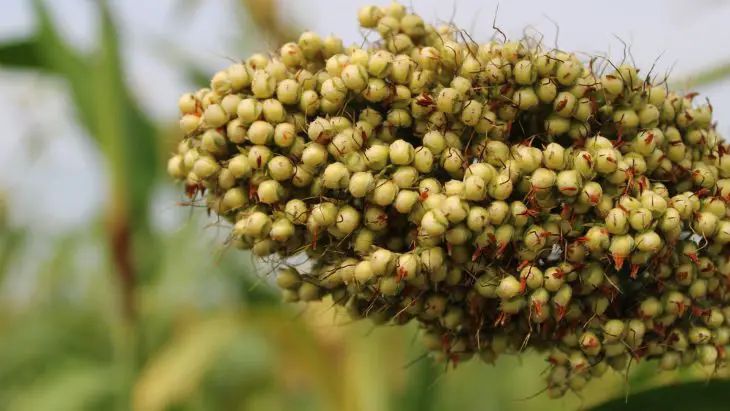
Archaeologists estimate that sorghum cultivation dates back 5,000 years to the ancient Kingdom of Kush in present-day Sudan. As Bantu-speaking tribes migrated south across the continent, they carried sorghum brewing knowledge with them. Arab travelers in the 6th and 7th centuries documented sorghum beer production in the Sahel region, particularly the merissa beer of Sudan.
Traditional brewing was central to African society. Sorghum beer symbolized women and facilitated communication between peoples. Local authorities accepted royalties paid in sorghum or sorghum beer. Women traditionally brewed the beer while men consumed it, with recipes passed down through generations to preserve cultural knowledge.
European colonizers introduced maize in the 16th-17th centuries, which brewers incorporated into traditional recipes. Commercialization began with Chibuku, named after Max Heinrich practices recording consumer feedback in a book. “Chi” means big, “buk” means book, with “u” added for linguistic flow.
Today, sorghum beer is experiencing a revival across Africa. Commercial production occurs in Zambia, Malawi, Zimbabwe, Tanzania, and Botswana. In South Africa, umqombothi gained popularity among urban professionals. During the COVID-19 alcohol bans, people returned to brewing traditional sorghum beer using maize and sorghum from grocery stores.
Today’s sorghum beer scene spans from traditional clay pots in rural villages to sophisticated commercial breweries producing brands like Chibuku across multiple African countries. Chibuku is now brewed across Africa by various brewers in countries like Botswana, Zambia, and Malawi. It’s proof that some traditions are too good to fade away – they just evolve with the times.
Home Brewing
Ingredients (Traditional African Recipe – 5 gallons):
- 2 kg (4.4 lbs) maize meal
- 2 kg (4.4 lbs) malted sorghum
- 1 kg (2.2 lbs) additional crushed sorghum malt
- 11 liters (2.9 gallons) of warm water
- 10 liters (2.6 gallons) of cold water
- Natural yeast (from sorghum grains)
Equipment:
- Large cast-iron pot or brewing kettle
- Plastic fermenter bucket
- Wooden stirring spoon
- Strainer or cheesecloth
- Blanket for insulation
Step-by-Step Process:
- Day 1 – Create Sour Mash: Mix maize meal and half the malted sorghum in a clean bucket. Add 13 quarts of warm water and stir thoroughly to eliminate lumps. Cover for 10 minutes, then add 10.5 quarts of cold water. Mix well, cover with cheesecloth, and leave overnight.
- Day 2 – Boil the Mash: Check for bubbles and a yogurt-like aroma, indicating fermentation has started. Remove 2 cups of fermented mixture and set aside as a starter. Cook the remaining mash until a thick porridge forms with crusty sediment (called isidudu). Allow to cool completely.
- Day 3 – Combine and Ferment: Pour cooled mixture into the fermenter. Add reserved starter liquid. Add a handful each of sorghum malt and the remaining crushed malt. Stir with a wooden spoon (iphini). Cover with a lid and a blanket to retain heat.
- Day 4-5 – Test Readiness: Place the fermenter in a warm location overnight. Test by lighting a match near the fermenter – if the flame extinguishes quickly due to CO2 production, the beer is ready.
- Day 5 – Strain and Serve: Strain mixture through cheesecloth to remove solids. Transfer to the serving vessel. Consume within 2-3 days while still actively fermenting.
Modern Homebrew Alternative (5 gallons):
- 6.5 lbs of sorghum syrup
- 1-2 oz hops (4% alpha acid)
- 1 packet gluten-free ale yeast
- Follow standard brewing procedures with a 60-minute boil and controlled fermentation at 65-75°F for 7-14 days.
Related: All You Want to Know About Honey Beer + Our Picks
Nutritional Value
Sorghum beer provides significant nutritional benefits compared to barley beer. Traditional African sorghum beers contain B-group vitamins (thiamine, folic acid, riboflavin, and nicotinic acid) and essential amino acids like lysine. Half a cup of sorghum provides 19% of the recommended daily iron intake for women and 40% for men.
Sorghum is naturally gluten-free, making it safe for people with celiac disease or gluten intolerance. Unlike barley, wheat, and rye, sorghum contains zero gluten proteins. Sorghum beer typically has lower alcohol content (3-4% ABV) compared to barley beers (4-6% ABV).
The grain contains high levels of antioxidants, including polyphenols, flavonoids, phenolic acids, and tannins. Red and black sorghum varieties have antioxidant levels comparable to fruits and vegetables. Sorghum contains unique compounds called 3-deoxyanthocyanidins, which laboratory studies suggest may have anti-cancer properties and help inhibit enzymes linked to breast cancer development.
Sorghum’s complex starches promote satiety and digestive health. Studies show sorghum-based products contain eight times more antioxidants than wheat-based equivalents, providing superior protective compounds compared to typical lagers.
Sorghum vs. Barley
| Aspect | Sorghum | Barley |
| Gluten Content | Naturally gluten-free | Contains gluten proteins |
| Enzyme Profile | Requires additional enzymes; more α-glucosidase | High natural enzymes; easily convert starches |
| Processing | More complex processing is required | Standard brewing process |
| Appearance | Cloudy, pinkish-brown | Clear, golden |
| Texture | Thick, chewy consistency | Crisp |
| Flavor Profile | Complex, slightly sour with fruity notes; honey and earthy qualities | Familiar “beer” taste; light and crisp to rich and malty |
| Fermentation | Lactic acid fermentation creates sourness | Standard alcoholic fermentation |
| Alcohol Content | 1-8% ABV (typically 3-4%) | 3-12% ABV (standard 4-6%) |
| Sugar Production | Breaks down starches into glucose | Converts starches to maltose |
| Bittering Agents | Natural agents, hibiscus flowers, and local plants | Hops primarily |
| Hop Usage | Often, no hops are used | Standard hop usage |
| Target Audience | Session-friendly, celiac-safe | Traditional beer drinkers |
Sorghum offers unique advantages for gluten-free brewing and provides distinctive flavors through lactic acid fermentation, while barley remains the traditional choice for conventional beer production with familiar taste profiles and established brewing processes.
Commercial Brands
Chibuku
Chibuku stands as the Coca-Cola of African beer, dominating the sorghum beer market across southern Africa. Available in two varieties – “Scud” (non-carbonated) and “Super” (carbonated) – this accessible brew costs about a dollar for 2 liters. The name derives from Max Heinrich’s consumer feedback book: “Chi” (big), “buk” (book), plus “u” for flow. Sold in distinctive cartons or brown plastic containers with blue tops, Chibuku requires shaking before drinking, earning the nickname “shake-shake.” It’s an unpretentious, thick, nutritious beverage that has sustained communities for generations.
United National Breweries
This South African powerhouse emerged from merging SABMiller’s Traditional Beer Investment division with National Sorghum Breweries. They’ve mastered both traditional brewing methods and modern commercial requirements, becoming the stalwart of professionally brewed commercial sorghum beer.
American Pioneers
Lakefront Brewery launched New Grist in 2006, one of America’s first nationally available gluten-free sorghum beers. Anheuser-Busch followed with Redbridge the same year. Bard’s Tale Brewing Company introduced America’s first 100% malted sorghum beer. These brands typically aim for conventional beer flavors rather than celebrating sorghum’s unique characteristics.
Craft Innovation
Soul Barrel Brewing Company and Ukhamba Beerworx create hybrid beers blending traditional umqombothi with craft techniques. Ukhamba’s Utywala Sorghum Saison uses 60% malted barley and 40% malted sorghum. Even Guinness Nigeria incorporates sorghum due to barley import restrictions, while Castle Milk Stout and Eagle demonstrate sorghum’s compatibility with modern brewing.
Related: Herbal Beer 101: Ancient Brews for Modern Palates
Troubleshooting and Tips
Attenuation Issues:
- If your beer finishes too sweet, try adding more enzymes or extending fermentation time
- If it’s too sour, reduce the lactic acid fermentation phase or use a more aggressive commercial yeast strain
- Proper attenuation is key to achieving the right alcohol content and flavor balance
Storage and Consumption:
- Consume sorghum beer fresh – ideally within a few days of brewing
- Unlike barley beers that age well for months, sorghum beer peaks when still slightly alive with fermentation activity
- Store in containers that can handle pressure buildup from ongoing fermentation
- Always shake before serving to redistribute the sediment
General Brewing Philosophy:
- There’s no “wrong” way to brew sorghum beer as long as you respect basic principles
- Every batch will be slightly different – embrace this variation as part of the charm
- You’re participating in a living tradition that connects you to thousands of years of human ingenuity
Cultural Significance
In African culture, sorghum beer transcends mere refreshment – it’s a liquid community, a bottled tradition, and a fermented spirituality. This cultural cornerstone symbolizes womanhood and represents silent acceptance between people. Traditional brewing was performed by matriarchs to celebrate young men’s homecoming after initiation ceremonies, serving as a liquid diploma ceremony.
Sorghum beer facilitates contact with amadlozi (ancestors), acting as a spiritual telephone system. During funerals, it ensures the departed can participate in family decisions, while weddings feature communal clay pots passed like liquid peace pipes between families. During imbizos (traditional meetings), shared sorghum beer brings communities together through communal consumption.
Young South Africans are rediscovering umqombothi as cultural identity symbols, incorporating it into modern celebrations and creating fusion traditions. Traditional home brewing continues as cultural resistance against commercial homogenization – each backyard batch represents a victory for authenticity. When grandmothers teach brewing, they transmit entire worldviews about cooperation, patience, and community feeding, making sorghum beer a living library of traditional knowledge.
Why Sorghum Beer Is About to Blow Your Mind
Sorghum beer isn’t just some trendy gluten-free alternative – it’s 5,000 years of liquid genius that’s making a serious comeback. You’ve got everything you need to start brewing this ancient powerhouse right from your grocery store. With eight times more antioxidants than regular beer, plus B vitamins and cancer-fighting compounds, every sip is a health upgrade.
From traditional clay pot brewing to modern craft techniques, you can choose your adventure. Brands like Chibuku are already crushing it across Africa, proving this isn’t just nostalgia – it’s the future. Ready to join the sorghum revolution? Your taste buds (and your gut) will thank you.
FAQs
Traditional African beers like umqombothi and Chibuku are made from sorghum. Commercial brands include Chibuku (the “Coca-Cola of African beer”), New Grist by Lakefront Brewery, Redbridge by Anheuser-Busch, and Bard’s Tale. Craft breweries like Soul Barrel and Ukhamba Beerworx create hybrid sorghum beers, while even Guinness Nigeria incorporates sorghum due to barley import restrictions.
Yes, sorghum beer offers significant health benefits. It contains eight times more antioxidants than wheat-based beers, B-vitamins (thiamine, folic acid, riboflavin), essential amino acids like lysine, and cancer-fighting compounds called 3-deoxyanthocyanidins. It’s naturally gluten-free, provides 19-40% of daily iron intake, and typically has lower alcohol content (3-4% ABV) than regular beer.
Malted sorghum has a complex flavor profile with slightly sour, fruity notes and honey-like sweetness balanced by earthy qualities. The lactic acid fermentation creates a distinctive sourness, while the grain itself contributes nutty, cereal-like flavors. Unlike barley’s familiar “beer” taste, sorghum offers a unique, more rustic flavor that’s both refreshing and satisfying.
Sorghum beer represents far more than refreshment – it’s a liquid community and cultural identity. In African tradition, it symbolizes womanhood, facilitates communication with ancestors (amadlozi), and brings people together during ceremonies. It’s a living library of traditional knowledge, passed down through generations. Each batch connects brewers to 5,000 years of human ingenuity and cultural wisdom.