
Most people think mead is just honey wine, but the world’s oldest fermented beverage offers an incredible spectrum of flavors that craft beer and spirits simply can’t match. You’re missing out on everything from bone-dry traditional styles to wild capsicumel with ghost peppers. The different types of mead span 24 distinct categories, each with unique flavor profiles, alcohol strengths, and perfect pairings. Discover the insider knowledge that transforms meadery visits from confused browsing to confident selection, unlocking experiences like Ethiopian tej, Polish poltorak, and experimental coffee-infused brews that’ll revolutionize your drinking game.
Traditional Mead
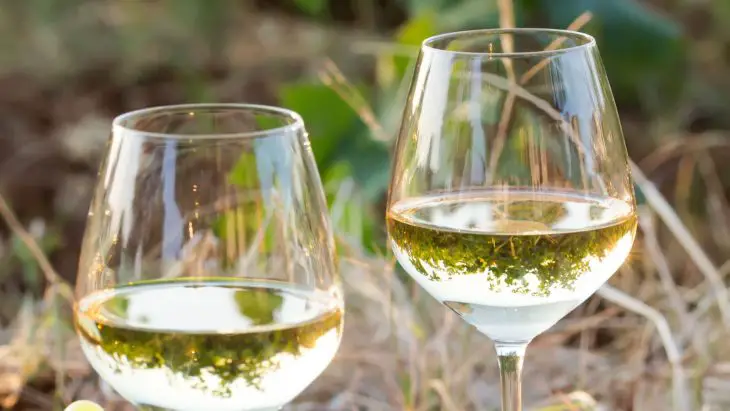
Traditional mead uses only honey, water, and yeast, creating the purest expression of honey’s natural character. This foundational style typically ranges from 8-15% ABV, depending on honey concentration. Key features include a clean honey flavor profile that showcases the source nectar, whether wildflower, clover, or orange blossom. Fermentation time runs 4-8 weeks, with aging periods of 6 months to 2 years for optimal development. The final product can range from bone-dry to dessert-sweet based on residual sugar levels. Color varies from pale gold to deep amber, directly reflecting the honey variety used in production.
Melomel (Fruit Mead)
Melomel incorporates any fruit during fermentation, creating complex flavor layering between honey and fruit characteristics. Typical ABV ranges 10-14%, with fruit contributing additional fermentable sugars and natural acids. Key features include vibrant colors from fruit pigments, enhanced aromatics, and balanced sweet-tart profiles. Popular fruits include berries, stone fruits, and tropical varieties, each adding distinct flavor signatures. Fruit can be added during primary fermentation for integration or secondary fermentation for fresh fruit character. The style offers excellent food pairing versatility and often develops wine-like complexity with proper aging of 6-18 months.
Cyser (Apple Mead)
Cyser combines honey with apple juice or cider, creating a hybrid between mead and hard cider. ABV typically ranges 8-12%, with apple tannins providing structure and complexity. Key features include crisp apple character balanced with honey sweetness, natural carbonation potential, and excellent aging capability. The style can range from dry and wine-like to sweet and dessert-focused. Apple variety selection dramatically impacts final flavor – tart apples create crisp, refreshing cysers while sweet varieties produce richer, more dessert-like profiles. Spices like cinnamon and nutmeg complement the apple-honey combination perfectly.
Pyment (Grape Mead)
Pyment blends honey with grape juice, bridging mead and wine traditions. ABV ranges 11-16%, with grape tannins and acidity balancing honey’s sweetness. Key features include wine-like complexity, excellent aging potential, and color variations from white to deep red based on grape selection. The style can be still or sparkling, dry or sweet. Red grape varieties develop rich, port-like characteristics, while white versions offer crisp, elegant profiles. Proper grape-to-honey ratios are crucial – too much grape creates honeyed wine rather than true pyment. Aging for 1-3 years develops optimal complexity and integration.
Related: What Does Mead Taste Like?
Morat (Mulberry Mead)
Morat uses mulberries as the fruit component, creating a rare and historically significant mead style. ABV typically ranges 10-13%, with mulberries contributing deep purple color and wine-like tannins. Key features include rich anthocyanin content, complex berry flavors, and striking visual appeal. The mulberries provide both sweetness and tartness, creating well-balanced acidity. This style was popular in medieval times for its supposed medicinal properties. Modern versions often emphasize the fruit’s natural complexity without added spices. Aging develops deeper color and more integrated flavors, making it an excellent candidate for extended cellaring of 1-2 years.
Metheglin (Spiced Mead)
Metheglin incorporates herbs and spices, creating complex aromatic profiles beyond the base honey character. ABV ranges 8-15%, with spice selection dramatically impacting final flavor. Key features include warming spice notes, potential medicinal herb benefits, and excellent winter appeal. Common spices include cinnamon, cloves, ginger, cardamom, and vanilla. Timing of spice addition affects intensity – primary fermentation integrates flavors while secondary additions preserve delicate aromatics. The Welsh name means “medicinal liquor,” reflecting historical herbal medicine use. Modern versions focus on flavor balance, ensuring spices complement rather than overwhelm honey’s natural sweetness.
Rhodomel (Rose Mead)
Rhodomel features rose petals, rose hips, or rose water, creating delicate floral aromatics and romantic appeal. ABV typically ranges 9-12%, with subtle rose essence complementing honey’s natural sweetness. Key features include ethereal floral bouquet, pale pink to golden color, and elegant sophistication. Rose hips add vitamin C and subtle tartness, while petals contribute pure floral character. The key is restraint – too much rose creates perfume-like off-flavors. This ancient Roman style works beautifully for special occasions and pairs excellently with light desserts. Proper rose selection and timing prevent overpowering the delicate honey base.
Braggot
Braggot combines mead and beer elements, using both honey and malted grains in fermentation. ABV ranges 8-14%, with malt providing body and bread-like flavors while honey adds sweetness and complexity. Key features include rich mouthfeel, balanced sweetness, and beer-like carbonation potential. Hops are optional, but they add balancing bitterness when used. The style bridges beer and mead communities, offering familiar beer characteristics with mead’s honey complexity. Grain selection affects flavor significantly – lighter malts create subtle bread notes while darker grains add roasted, caramel, or chocolate characteristics. Aging integrates flavors and develops smooth, complex profiles over 6-12 months.
Bochet
Bochet uses caramelized honey, creating dramatically different flavor profiles through Maillard reactions. ABV ranges 10-16%, with caramelization reducing fermentable sugars and creating complex unfermentables. Key features include dark amber to black color, toffee and caramel flavors, and rich, dessert-like character. The caramelization process involves carefully heating honey until browning occurs, developing toasted marshmallow, chocolate, and burnt sugar notes. This technique creates more body and sweetness retention than traditional mead. The style requires patience – proper caramelization takes time, and aging develops the full complexity of the transformed honey character.
Acerglyn
Acerglyn incorporates maple syrup alongside honey, creating distinctly North American flavor profiles. ABV ranges 10-14%, with maple contributing unique sweetness characteristics and subtle vanilla notes. Key features include rich amber color, complex sweetness layers, and excellent dessert wine potential. The maple-honey combination creates depth impossible with either ingredient alone. Timing of maple addition affects final character – early addition integrates flavors while late addition preserves distinct maple notes. This style works exceptionally well with wood aging, developing bourbon-like complexity. The sweetness profile makes it perfect for pairing with rich desserts or enjoying as a digestif.
Capsicumel
Capsicumel features chili peppers, creating unique sweet-heat combinations that challenge traditional mead expectations. ABV ranges 9-13%, with pepper selection determining heat levels from mild warmth to intense fire. Key features include a distinctive spicy finish, complex flavor layering, and excellent food pairing potential with spicy cuisines. Capsaicin extraction occurs during fermentation, integrating heat throughout rather than just adding surface burn. Pepper variety selection is crucial – jalapeños provide moderate heat, while habaneros or ghost peppers create extreme versions. The style requires careful balance to maintain honey’s sweetness while delivering satisfying heat levels.
Tej
Tej represents Ethiopian mead traditions, using gesho (African buckthorn) for unique herbal complexity and fermentation assistance. ABV ranges 7-11%, with gesho providing natural yeasts and distinctive bitter-herbal notes. Key features include cloudy appearance, complex herbal character, and cultural authenticity. Traditional tej uses wild fermentation from gesho’s natural yeasts, creating unpredictable but authentic results. Modern versions often combine gesho with commercial yeasts for consistency. The style reflects Ethiopia’s ancient honey traditions and sophisticated fermentation knowledge. Gesho’s hop-like bitterness balances honey’s sweetness while contributing unique flavor compounds unavailable in Western brewing ingredients.
Polish Mead (Trojniak, Dwojniak, Poltorak)
Polish mead classification system based on honey-to-water ratios creates distinct strength and sweetness categories. Poltorak uses 1:1 honey-to-water (strongest), Dwojniak uses a 1:2 ratio (medium), and Trojniak uses a 1:3 ratio (lightest). ABV ranges from 8% (Trojniak) to 18% (Poltorak). Key features include systematic strength progression, traditional Polish heritage, and excellent aging potential. Higher honey ratios create more residual sweetness and alcohol potential. This classification system demonstrates a sophisticated understanding of mead production variables. Each style serves different purposes – Trojniak for casual drinking, Dwojniak for balanced enjoyment, and Poltorak for special occasions.
Chouchen
Chouchen represents Brittany’s regional mead style, often using cider yeasts that create distinctive fermentation characteristics. ABV ranges 8-12%, with cider yeast producing different ester profiles than typical wine yeasts. Key features include crisp, clean character, potential for natural carbonation, and regional French authenticity. The style reflects Brittany’s strong cider traditions applied to mead production. Cider yeasts create apple-like esters even without apple additions, providing unique flavor complexity. This regional specialty demonstrates how local brewing traditions influence mead character. The clean fermentation profile makes it excellent for showcasing honey varietals without masking delicate flavor nuances.
Medovina
Medovina encompasses Slavic mead traditions, emphasizing natural fermentation and cultural heritage preservation. ABV ranges 8-14%, with traditional production methods creating complex, rustic character. Key features include artisanal production methods, cultural authenticity, and connection to Eastern European traditions. Many versions use wild fermentation or traditional yeast strains passed down through generations. The style often incorporates local honey varieties and traditional techniques that create distinctive regional characteristics. Medovina represents more than just a beverage – it’s a liquid cultural heritage that connects modern drinkers to centuries of Slavic brewing wisdom and honey-centric agricultural traditions.
Sima
Sima is Finland’s traditional low-alcohol mead featuring lemon and raisin additions for spring celebrations. ABV ranges 2-6%, making it highly sessionable and refreshing. Key features include bright citrus character, natural carbonation, and festive cultural significance. Traditional sima uses brown sugar alongside honey and undergoes brief fermentation, with raisins providing natural yeast. The lemon additions create bright, refreshing acidity that balances honey’s sweetness. This style is traditionally consumed during Vappu (May Day) celebrations. The low alcohol and effervescent character make it perfect for outdoor festivities and accessible to those preferring lighter alcoholic beverages.
Related: How to Back Sweeten Mead
Sack Mead
Sack mead features high honey-to-water ratios, creating intense, dessert-style character with elevated alcohol levels. ABV ranges 14-20%, with concentrated honey creating both high alcohol potential and significant residual sweetness. Key features include rich, syrupy mouthfeel, intense honey flavor, and excellent aging potential. The style requires extended fermentation and aging to integrate high alcohol levels smoothly. Sack meads develop complex flavors over the years of aging, often improving for decades. The concentrated character makes them perfect for special occasions and contemplative sipping. The high residual sugar and alcohol create warming, luxurious drinking experiences comparable to fine dessert wines or aged spirits.
Short Mead
Short mead prioritizes quick production and consumption, typically ready within 4-8 weeks of fermentation start. ABV ranges 4-8%, with rapid fermentation creating a light, refreshing character. Key features include quick turnaround, effervescent character, and immediate drinkability. The style often exhibits cidery characteristics due to fast fermentation and minimal aging. Lower alcohol levels make it highly sessionable and approachable for newcomers. Traditional short mead used minimal honey and relied on natural carbonation for character. Modern versions can incorporate fruit or light spicing while maintaining the quick-drinking philosophy. This style satisfies impatient brewers wanting immediate gratification from their honey fermentation efforts.
Dry Mead
Dry mead ferments to completion, leaving minimal residual sugar and creating wine-like dryness and sophistication. ABV ranges 9-14%, with complete fermentation showcasing yeast character and honey’s subtle complexity. Key features include crisp, clean finish, excellent food pairing potential, and wine-like sophistication. The style appeals to wine drinkers who find traditional sweet meads cloying. Proper acid balance is crucial for preventing harsh, thin character. Dry meads showcase honey varietals exceptionally well since sweetness doesn’t mask subtle flavors. The clean character makes them versatile for meal pairings where sweet meads would overwhelm delicate flavors.
Sweet Mead
Sweet mead retains significant residual sugar, creating dessert-like richness and honey-forward character. ABV ranges 8-15%, with high residual sugar creating a luscious mouthfeel and intense honey flavors. Key features include syrupy texture, pronounced honey character, and excellent dessert pairing potential. The style requires careful balance to prevent cloying sweetness – proper acidity and alcohol levels provide structure. Sweet meads work excellently as digestifs or dessert wines. The concentrated honey flavors make them perfect for showcasing unique honey varietals. Aging develops complexity while maintaining essential sweetness. This style represents mead in its most traditional, honey-centric expression.
Carbonated Mead
Carbonated mead incorporates effervescence through natural conditioning or forced carbonation, creating a refreshing, celebratory character. ABV ranges 6-14%, with carbonation lifting aromatics and creating a lighter mouthfeel. Key features include festive appeal, enhanced aromatics, and refreshing character. Natural carbonation through bottle conditioning creates finer, more integrated bubbles while forced carbonation offers consistency. The effervescence balances sweetness and makes even rich meads feel lighter. Carbonated meads work excellently for celebrations and pair beautifully with appetizers. The style bridges traditional mead and modern sparkling wine expectations, creating accessible yet sophisticated drinking experiences.
Session Mead
Session mead emphasizes lower alcohol levels and high drinkability, often packaged in modern formats like cans. ABV ranges 3-7%, with reduced alcohol creating an approachable, refreshing character. Key features include high sessionability, modern packaging options, and craft beverage appeal. The style often incorporates fruit or light spicing to enhance flavor without overwhelming alcohol. Lower alcohol levels allow multiple servings without impairment concerns. Session meads bridge traditional mead and modern craft beverage markets. The approachable character introduces newcomers to mead while satisfying experienced drinkers seeking lighter options. This style represents mead’s adaptation to contemporary drinking preferences and lifestyle demands.
Dessert Mead
Dessert mead is specifically crafted for after-dinner consumption, featuring rich sweetness and complex flavor profiles designed to complement sweet courses. ABV ranges 10-16%, with concentrated flavors and residual sweetness creating an indulgent character. Key features include intense flavor concentration, excellent dessert pairing potential, and sophisticated complexity. These meads often incorporate complementary ingredients like vanilla, chocolate, or exotic fruits. The style requires careful balance between sweetness and alcohol to maintain elegance. Dessert mead pairs excellently with chocolate, fruit tarts, or strong cheeses. Extended aging develops complex flavors while maintaining essential sweetness and richness.
Experimental/Hybrid Meads
Experimental meads push traditional boundaries by incorporating non-traditional ingredients like coffee, chocolate, or hops. ABV ranges 6-15%, with ingredient selection dramatically affecting final character. Key features include innovation potential, unique flavor combinations, and modern craft appeal. Popular additions include coffee for caffeinated complexity, cocoa for chocolate richness, or hops for beer-like bitterness. These styles demonstrate mead’s versatility and adaptability to modern tastes. Successful experimental meads balance innovation with honey’s fundamental character. The category encourages creativity while respecting traditional fermentation principles. This style represents mead’s evolution and its potential for continued innovation in craft beverage markets.
You’re Now a Mead Master!
Congrats! You just leveled up from mead newbie to total expert. From traditional honey-only classics to wild experimental brews with coffee and hops, you’ve got the complete playbook. Whether you want a light 3% sipper or a knockout 20% dessert mead, you know exactly what to grab. Hit up your local meadery with confidence, impress your friends with mead knowledge, or dive into homebrewing your liquid gold.
The ancient art of mead-making just got way more accessible – now go forth and discover your perfect honey buzz!
FAQs
Yes, there are 24 distinct types of mead, each with unique characteristics. Traditional mead uses only honey, water, and yeast, while melomel incorporates fruit, cyser features apples, and metheglin includes spices. Other varieties include braggot (honey-grain hybrid), bochet (caramelized honey), and experimental styles with coffee or hops. Each type offers different alcohol levels, sweetness profiles, and flavor experiences.
Mead consumption declined due to several factors: sugar became cheaper than honey, making wine and beer more economical; hops preservation allowed beer to dominate; and industrialization favored mass-produced alcohols. However, mead is experiencing a major revival through craft meaderies, with modern producers creating innovative styles that appeal to contemporary tastes while honoring ancient traditions.
Vikings primarily drank traditional mead made from honey, water, and wild yeasts. They likely consumed metheglin (spiced mead) with herbs like juniper, and occasionally braggot, combining honey with grains. Their mead was probably stronger and sweeter than modern versions, served at communal feasts to celebrate victories and honor gods. Archaeological evidence suggests they valued mead as a sacred, ceremonial beverage.
Mead uses only honey, water, and yeast, while braggot combines honey with malted grains like barley. This gives braggot a bread-like, beer-style body with honey’s sweetness and complexity. Braggot bridges beer and mead communities, offering familiar grain flavors enhanced by honey. It typically has 8-14% ABV and can include hops for balancing bitterness, creating a unique hybrid beverage.