
Continuous hopping is a brewing technique where you add small amounts of hops steadily throughout the entire boil rather than following traditional discrete additions. Instead of dumping hops in at specific intervals, you’re adding tiny increments every few minutes during the wort boil, creating what’s known as continual hopping or continuous hop addition. This method fundamentally differs from standard hop schedules – you’re building layers of hop character from start to finish of the boil. The process involves incremental hop dosing that creates a more integrated, complex hop profile in your finished beer. Whether using hop pellets or hop cones, the approach remains consistent: regular, measured additions at steady intervals throughout the brewing process.
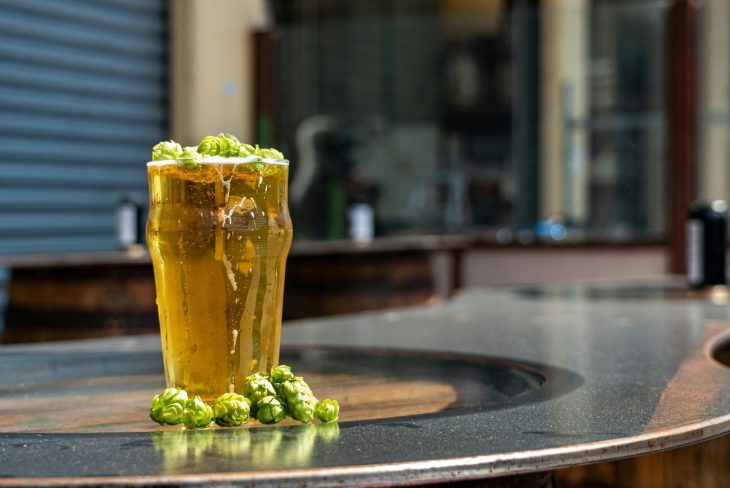
Traditional Hop Schedules Explained
Most brewers follow a standard hop schedule with two or three discrete additions during the boil. The bittering addition goes in at the start, typically 60 minutes before flameout. This extended boil time isomerizes the alpha acids into iso-alpha acids, creating the IBUs that give beer its characteristic bitterness. The longer hops boil in the wort, the more alpha acids convert to bittering compounds, but you’re also driving off the delicate essential oils.
Late additions come in around 15 minutes, 5 minutes, or right at flameout. These preserve more aromatic hop oils and contribute flavor without excessive bitterness. Some brewers add a middle addition around 20-30 minutes for additional flavor complexity. The timing determines what you extract – early additions maximize bitterness through alpha acid isomerization, while late additions protect volatile essential oils that provide aroma and flavor.
This approach divides hops into functional categories: bittering hops for IBUs, flavor hops for mid-palate character, and aroma hops for fragrance. Each addition serves a specific purpose in the brewing process. Traditional schedules work well for most beer styles and give brewers precise control over the bitterness-to-aroma ratio in their finished product.
Depending: Dry Hopping Your Beer Like a Pro
How Continuous Hopping Works
Continuous hopping breaks your total hop bill into small doses added at consistent intervals throughout the boil. Some brewers add hops every minute, others every 2-5 minutes, depending on their setup and desired outcome. You calculate your total hop weight, divide it into equal portions, and add them steadily from the start of the boil until flameout.
Early additions during continuous hopping still contribute bitterness as the wort boils, isomerizing alpha acids just like traditional bittering hops. Later additions preserve more essential oils for aroma and flavor. The key difference is how these incremental hop doses layer together, creating an integrated hop profile rather than distinct bittering and aroma characteristics.
Whether using hop pellets or whole hop cones, the mechanics stay the same: regular, timed additions throughout the entire boil. Each small dose contributes to both bitterness and flavor, depending on when it enters the wort. The cumulative effect builds complexity that’s difficult to achieve with just two or three large additions. Your brew kettle essentially becomes a continuous hop extraction system rather than a series of discrete hopping events.
History of Continuous Hopping
Sam Calagione, founder of Dogfish Head Brewery, pioneered continuous hopping in the late 1990s. The inspiration struck while watching a cooking show where a chef added pepper throughout the cooking process rather than all at once, claiming it created more complexity and subtlety. Calagione wondered if the same principle could apply to hops in brewing.
His first attempt used a vibrating electric football game he bought at a thrift store. He placed hop pellets on the game, positioned it over his brew kettle, and let the vibrations continuously shake hops into the boiling wort. The steam eventually destroyed the electrical components, but the resulting beer became Dogfish Head’s 90 Minute IPA, one of the first continuously hopped beers released commercially around 2001.
Dogfish Head later developed “Sir Hops Alot,” a pneumatic hop dosing machine that automated the process. This device sits above the brew kettle and drops measured amounts of hops at precise intervals. The brewery eventually donated the original Sir Hops Alot to the Smithsonian National Museum of American History in 2021, twenty years after the technique revolutionized craft brewing. The 60 Minute IPA followed in 2003 and became Dogfish Head’s flagship beer, cementing continuous hopping as a legitimate brewing innovation.
Flavor Impact
Continuous hopping creates a smooth, integrated bitterness that differs significantly from traditional hopping schedules. The steady addition of hops throughout the boil allows iso-alpha acids from early additions to blend with hop oils from later additions, producing a layered complexity in the finished beer.
Instead of distinct bittering and aroma phases, continuous hopping builds both characteristics simultaneously. Each hop addition contributes bitterness through alpha acid isomerization while also adding flavor compounds and essential oils. The result is a balanced bitterness that doesn’t dominate the palate as heavily as front-loaded bittering additions can.
The hop oils extracted at different temperatures throughout the boil create additional complexity. Early additions at full boil extract different compounds than additions made 30 or 60 minutes later, as the wort chemistry changes. This creates a fuller, more nuanced hop profile with multiple layers of flavor rather than the two-dimensional bittering-plus-aroma approach of traditional schedules.
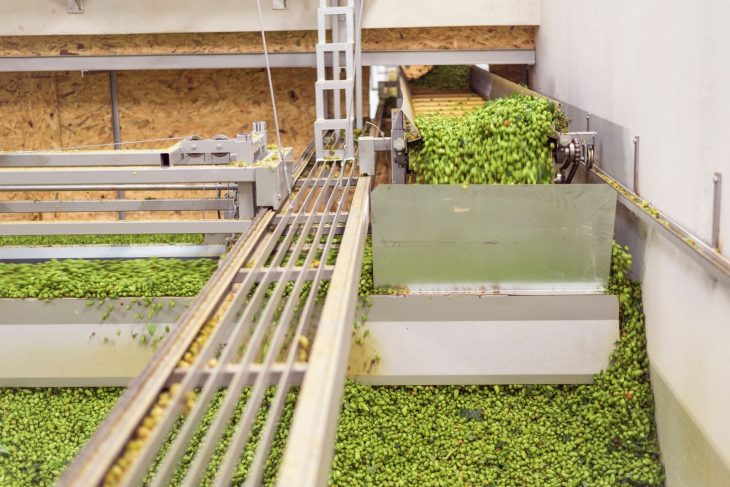
Bitterness Perception vs IBU
A continuously hopped beer with 90 IBUs often tastes less harsh than a traditionally hopped beer with the same IBU measurement. The lab analysis shows identical bitterness units, but perceived bitterness on the palate differs significantly. Isomerization happens gradually throughout the boil with continuous additions, creating smoother integration of bittering compounds rather than a sharp bitterness from large early additions. The constant presence of hop oils throughout the process also affects how the iso-alpha acids interact with your taste receptors, producing a rounder, more approachable bitterness quality despite identical IBU measurements.
Equipment & Practical Setup
Manual continuous hopping requires pre-measuring your hop doses and setting a timer for regular intervals. Divide your total hop bill into portions – typically 20 to 60 separate additions, depending on your boil length and chosen frequency. Add hops every 1-5 minutes throughout the boil, staying by your kettle the entire time.
Automated systems range from simple to sophisticated. Basic setups include vibrating hoppers positioned over the kettle or timed dispensers that drop hops at set intervals. Advanced systems use pneumatic hop dosers with programmable controllers that precisely meter hop additions. Dogfish Head uses a pneumatic cannon that shoots hops into the kettle every minute.
For homebrewers, a practical approach involves setting up 30-60 small containers with pre-measured hops, each labeled with its addition time. Work through them systematically during the boil using a timer. Some brewers build simple vibrating hoppers using food-grade containers and small motors. Commercial breweries typically invest in dedicated hop dosing equipment mounted above their brew kettles with automated timing systems integrated into their brewing software.
Pros and Cons
Pros:
- Smooth, integrated bitterness without harsh edges
- Complex layered hop profile with multiple flavor dimensions
- Better hop utilization across the entire boil
- Unique flavor characteristics that distinguish your beer
- Allows higher IBU counts without overwhelming bitterness
- Creates smooth transitions between bittering and aroma components
Cons:
- Labor-intensive for manual additions requiring constant attention
- Difficult to step away from the brew kettle during the entire boil
- Standard IBU calculators don’t accurately predict bitterness
- Requires specialized equipment for automation
- More expensive for commercial operations without proper systems
- Challenging to calculate precise hop schedules initially
- Higher hop costs if you’re experimenting with quantities
- Not practical for quick brew days or casual brewing sessions
The technique demands commitment and attention but delivers distinctive results. Homebrewers without automation must dedicate time to the process, while commercial breweries need equipment investment. The learning curve involves adjusting recipes and understanding how continuous additions affect your final IBU and flavor profile differently than traditional schedules.
Continuous vs Other Hopping Methods
- Dry hopping adds hops to fermenting or finished beer at room temperature or below, extracting aroma without bitterness. This method preserves volatile oils that would evaporate during boiling and happens after fermentation completes.
- Whirlpool hopping occurs after the boil when wort temperature drops to 160-185°F. Hops steep in hot wort during cooling, extracting flavors and aromas at lower temperatures than boiling. This minimizes bitterness while maximizing hop oils.
- Late hopping involves additions in the final 15 minutes or at flameout. These preserve essential oils better than early additions while still contributing some bitterness from residual heat.
Continuous hopping differs by building bitterness, flavor, and aroma simultaneously throughout the entire boil rather than targeting specific characteristics. Each method serves different purposes – whirlpool delivers intense aroma with minimal bitterness, dry hopping provides fresh hop character, and late additions bridge flavor and aroma. Continuous hopping creates integrated complexity across all hop characteristics. Many brewers combine techniques, using continuous hopping during the boil followed by whirlpool additions and dry hopping for maximum hop expression.
Related: The Ultimate Hop Substitution Chart
Beers Brewed with the Continuous Hopping Technique
Dogfish Head’s continuously hopped lineup remains the most recognized example of this technique:
- 60 Minute IPA – Continuously hopped throughout a 60-minute boil, delivers 6% ABV with balanced citrusy hop character, and has become Dogfish Head’s flagship beer
- 90 Minute IPA – The brewery’s original continuously hopped beer, weighs in at 9% ABV and 90 IBUs with intense hop flavor and smooth bitterness
- 120 Minute IPA – An extreme version continuously hopped for two hours, representing the upper limits of the technique
Beyond Dogfish Head, several craft breweries have experimented with continuous hopping techniques:
- New Belgium Brewing – Incorporated continuous hopping into some Voodoo Ranger IPA variations
- Other craft breweries – Use modified continuous hopping approaches, adding hops at shorter intervals rather than true minute-by-minute additions
- Homebrewer recipes – Frequently attempt continuous hopping, often using Dogfish Head’s recipes as templates
The technique works particularly well for Imperial IPAs and Double IPAs, where high hop loads benefit from the smoothing effect of continuous additions rather than aggressive upfront bittering.
A Game-Changer for Hop-Forward Beers
Continuous hopping flipped craft brewing on its head by showing that timing matters just as much as the hops themselves. Sam Calagione’s lightbulb moment from a cooking show created a technique that layers hop character instead of dumping it all in at once. This is what gives Dogfish Head’s IPAs that crazy smooth bitterness – turns out your tongue doesn’t care what the lab says about IBUs. Yeah, you’re gonna be stuck by your kettle adding hops every few minutes, and it’s definitely not a quick Saturday afternoon brew session. But once you understand how continuous hopping compares to whirlpool additions and dry hopping, you’ve got everything you need to start experimenting and creating beers that actually stand out from the crowd.
FAQs
Continuous hopping is a brewing technique where you add small amounts of hops at regular intervals throughout the entire boil instead of making just two or three big additions. Popularized by Dogfish Head Brewery, it creates a smoother, more complex hop profile by layering bitterness and flavor together. Think of it as seasoning gradually rather than dumping everything in at once.