
The rice vs corn in beer debate has been brewing for over a century, and most homebrewers still don’t understand what these adjuncts actually do. These grains aren’t shortcuts – they’re legitimate ingredients that create specific flavors and textures all-malt recipes can’t achieve. Rice delivers bone-dry crispness and brilliant clarity. Corn brings a smooth mouthfeel and gentle sweetness. Both have shaped iconic beer styles from Japanese lagers to American cream ales. Knowing which adjunct does what will transform how you approach brewing light, refreshing beers. Let’s break down the real differences and help you pick the right grain for your next batch.
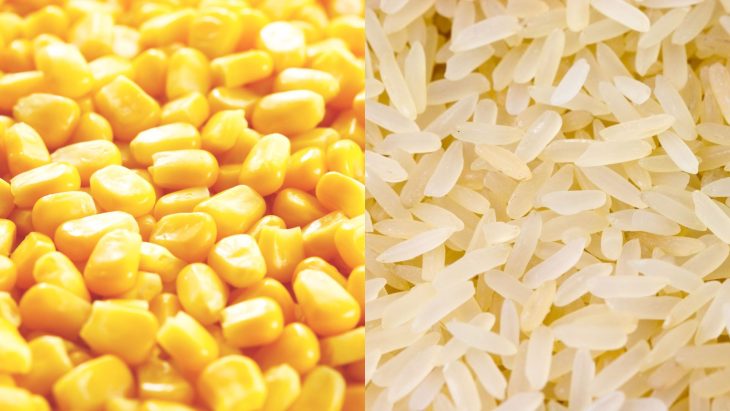
Why Compare Rice and Corn in Beer?
Walk into any homebrew shop, and you’ll hear folks debating whether rice or corn makes the better adjunct. Both grains have been shaping American beer for well over a century, but most people don’t really understand what these adjunct grains actually do.
When we talk about adjuncts, we’re looking at grains beyond malted barley that brewers add to the mash. Both rice and corn have earned their place in brewing ingredients, but they arrived for different reasons and create distinct characteristics that all-malt beers can’t achieve.
The rice versus corn debate heats up when you dig into American lager history. Major breweries picked sides early on, and those choices shaped the beers we drink today. Understanding the difference between rice in beer and corn in beer isn’t just trivia – it’s practical knowledge that’ll make you a better brewer.
What Are Adjuncts in Beer Brewing?
Beer adjuncts are any fermentable sugar source that isn’t malted barley. Could be corn, rice, wheat, oats, or straight sugar. These ingredients bring fermentable sugars without the same flavors or proteins that malted barley provides.
Brewers use them for three reasons: cost savings, flavor neutrality, and enhanced fermentability. Adjunct brewing grains ferment out clean, leaving a crisp, refreshing beer rather than a heavy malt character. They typically convert to simpler sugars that yeast can process completely, giving that dry, snappy finish defining classic American lagers.
The historical adoption tells a great story. When Adolphus Busch developed Budweiser in the 1870s, American six-row barley had more protein than European varieties. Adding rice diluted that protein and produced brilliant clarity.
Related: Choosing the Best Base Malts For Your Beer
Rice in Beer Explained
Rice brings pure fermentable sugar with almost zero flavor contribution to beer. You won’t taste it directly, but you’ll notice what it does – adding alcohol potential and lightening body without affecting flavor profile.
Rice comes in several forms for brewing:
- Whole rice – requires extensive cooking and processing
- Rice flakes – pre-gelatinized and ready to add directly to the mash
- Rice syrup solids – can be added straight to the kettle like malt extract
Rice creates a dry, crisp finish that’s difficult to achieve with all-malt recipes. The beer flavor profile stays exceptionally clean, which makes it perfect for Japanese lagers and super-light American lagers. The body remains lean and refreshing without heavy malt sweetness or thick mouthfeel.
Breweries typically use 25-40% rice in the grain bill when brewing with rice. Japanese lagers like Asahi Super Dry and Sapporo push even higher percentages, sometimes exceeding 40%. This creates beers with water-like clarity and an extremely dry finish.
Rice has lower oil content compared to corn, which some brewers prefer. It promotes dry, crisp, and snappy flavors while maintaining brilliant clarity. The result is a highly drinkable beer that works exceptionally well served ice cold. Rice adjuncts dilute protein content from barley, reducing haze issues and improving beer stability.
Corn in Beer Explained
Corn provides fermentable sugar while contributing subtle sweetness that separates it from rice. The sweetness is gentle – you won’t taste kettle corn or cornbread – but there’s a noticeable difference in character.
Corn comes in several brewing forms:
- Corn grits – require cooking in a separate cereal mash
- Flaked corn (flaked maize) – pre-gelatinized and mash-ready
- Corn syrup – added directly to the boil
Corn grits were the traditional choice for large commercial breweries. Homebrewers and craft brewers often use flaked corn because it’s simple to use – just add it to the mash with base malt and let the barley’s enzymes convert the starches.
The mouthfeel is where corn distinguishes itself. There’s a smoothness that corn brings to beer, creating a rounder and fuller sensation on the palate compared to rice. Classic American cream ales and Canadian lagers showcase this silky quality. Some brewers detect a light grainy or corn-like character, though it’s usually subtle.
Corn-based beers can improve slightly as they warm up, with gentle sweet notes becoming more apparent. Typical usage ranges from 20-35% of the grain bill, though some styles go higher. Corn contains more oil than rice, which doesn’t negatively affect finished beer but creates a different mouthfeel characteristic. It lightens beer color and body while maintaining alcohol content, making it valuable for creating approachable, drinkable beers.
Flavor Differences: Rice vs Corn
Rice lagers deliver neutrality and clean, dry beer. The flavor profile is minimal – you’re tasting hops and yeast character with almost nothing from the rice itself. The finish is bone-dry and crisp.
Corn creates noticeable texture differences. There’s a softness and gentle sweetness that rounds out the beer. It’s not sugary sweet, but more like natural sweetness from ripe corn. Some folks describe it as grainy or cereal-like. The aftertaste is slightly fuller, with subtle sweetness lingering.
Key differences:
- Rice: extremely dry finish, neutral flavor, almost disappears on the tongue, brilliant clarity, best served ice cold
- Corn: rounder mouthfeel, gentle sweetness, fuller body, smoother character, improves slightly as it warms
The debate has raged since the 1800s. Rice advocates loved crisp taste and clarity. Corn supporters appreciated fuller flavor and smoother character. Neither is objectively better – they’re different tools for different brewing goals. Rice creates the driest, crispest beer possible. Corn provides more body with gentler, rounder sweetness.
Brewing Process Differences
Rice and corn require different handling than malted barley due to gelatinization temperature differences. This is the point where starch granules swell and become accessible to enzymes. Barley gelatinizes around 140-150°F. Corn needs 143-165°F. Rice requires 154-172°F.
These higher temperatures create mashing challenges. Raw corn grits or whole rice need a cereal mash – cooking them separately with base malt, bringing to a boil to gelatinize starches, then adding to the main mash. This requires careful temperature control to avoid scorching.
Flaked versions solve this problem. Flaked rice and flaked corn have been pre-gelatinized during manufacturing through steaming and rolling. Add them directly to the mash tun with base malt for normal conversion.
Both rice and corn lack hulls, so they don’t contribute to the filter bed during lautering. High percentages (30-40% of grain bill) may require adding rice hulls to prevent stuck sparges. Use high-enzyme malts like six-row or well-modified two-row for complete conversion. Choose flaked versions for simplicity, or use traditional cereal mash for an authentic process.
Beer Styles That Use Rice
Rice has established itself across multiple beer categories:
American Lager
- Budweiser and Bud Light are classic examples
- Rice content typically is 25-40% of the grain bill
- Creates a signature crisp, dry character
- Extremely light body and refreshing finish
Japanese Lager
- Asahi Super Dry, Sapporo, and Kirin
- Often 40%+ rice content
- Emphasizes extreme dryness and clarity
- Finish is exceptionally dry and clean
Modern Craft Rice Lagers
- American interpretations of Japanese styles
- More assertive hopping than mainstream versions
- Bone-dry and crisp with flavor complexity
- Some use aromatic rice varieties like jasmine for floral notes
Japanese brewers use rice because Japan grows exceptional rice, not due to barley scarcity. They wanted to showcase rice in their beer. The American craft movement is rediscovering rice as a legitimate ingredient for creating specific drinking experiences. These beers emphasize brilliant clarity and water-like appearance with refreshing drinkability that’s impossible to achieve otherwise.
Beer Styles That Use Corn
Corn appears throughout American brewing tradition in distinct styles:
American Adjunct Lagers
- Miller, Coors, and most major light lagers
- Use corn grits or corn syrup
- Creates characteristic smoothness
- Lightens the body and color while maintaining alcohol
Cream Ale
- Traditional recipes call for 20-30% corn
- Genesee Cream Ale is the classic example
- Smooth, refreshing, barely sweet character
- The mouthfeel comes largely from corn
Kentucky Common
- Nearly extinct style revived by craft brewers
- Often featured up to 35% corn grits
- Historical American regional style
- Dark amber color with corn smoothness
Other Styles
- Some Flanders Red Ales use up to 20% maize
- Modern saisons (Boulevard Tank 7 uses significant corn)
- Certain British bitters historically used corn (called maize)
- Contributes to light body and high drinkability
Corn isn’t just about cheap light beer. Skilled brewers have used it for centuries to create specific textures and flavors that barley alone can’t achieve.
Which Is Better?
There is no better option. Rice and corn are different tools that excel at different jobs based on your brewing goals.
Rice wins for extreme dryness, brilliant clarity, and lightest possible body. Choose it when you want malt character to disappear, letting hops or yeast take center stage. Perfect for Japanese-style lagers, ultra-light American lagers, and modern hoppy lagers.
Corn shines for softer, rounder beer with subtle sweetness and fuller mouthfeel. It’s ideal for cream ales, American adjunct lagers, and styles where grainy sweetness complements the profile.
Both ingredients have been unfairly maligned by association with mass-produced beer. That says more about certain breweries’ practices than the ingredients themselves. Skilled brewers make exceptional beer with either one. The best grain for beer is whichever gets you closest to your target flavor, body, and finish.
Rice vs Corn: Pick Your Fighter
Rice and corn aren’t cheap fillers – they’re legitimate brewing ingredients that solve real problems and create flavors all-malt beers can’t achieve. The key difference? Rice delivers extreme dryness and neutral character, while corn provides gentle sweetness and a smoother mouthfeel. Both have shaped American brewing for over a century, from Budweiser’s crisp rice lagers to Genesee’s smooth cream ales. Understanding gelatinization temperatures matters – use flaked versions for simplicity or embrace traditional cereal mashing for authenticity. The “which is better” question misses the point. Choose rice when you want bone-dry crispness, choose corn when you want fuller body. Your brewing goals determine the right adjunct, not outdated beliefs about ingredient quality. Now you’ve got the knowledge to nail your next batch.
FAQs – Rice vs Corn in Beer
Corn and rice are used in beer to lighten the body and color while adding fermentable sugars that create a crisp, dry finish. They dilute protein content from barley, improving clarity and reducing haze. Rice provides extreme dryness and neutral flavor, while corn adds gentle sweetness and smooth mouthfeel. Both adjuncts have been essential in brewing American and Japanese lagers for over a century, creating refreshing characteristics that all-malt beers can’t achieve.
There’s no single best grain for beer – it depends on your brewing goals. Malted barley provides enzymes, flavor, and body for most beer styles. Rice works best when you want bone-dry crispness and brilliant clarity. Corn excels for smoother mouthfeel and subtle sweetness. Wheat adds protein for head retention and haze. The best grain is whatever gets you closest to your target flavor profile and style characteristics.