
If you’ve been brewing IPAs or hazy beers lately, you’ve probably noticed cryo hops showing up everywhere in the craft beer world. These concentrated lupulin pellets promise intense hop flavor and aroma without the grassy, vegetal notes that can plague heavily hopped beers. What are cryo hops exactly, and do they live up to the hype? They’re made through cryogenic processing that separates the aromatic oils and resins from plant matter, delivering nearly twice the potency of standard pellets. Understanding how they’re produced, when to use them, and how they compare to traditional hops will help you unlock cleaner, more intense hop character in your brews.
What Exactly Are Cryo Hops?
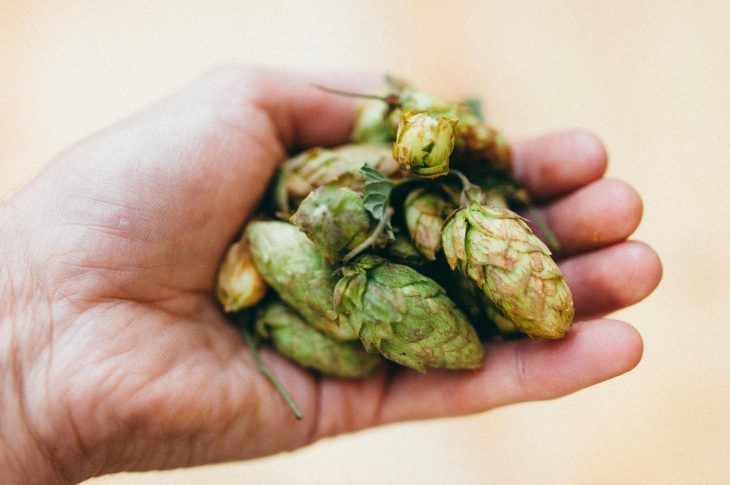
Cryo hops are concentrated lupulin pellets containing resins and aromatic oils from whole-leaf hops. Lupulin is a yellowish, waxy material that contains the critical compounds making hops valuable to brewers—the alpha acids that bring bitterness and essential oils responsible for distinctive flavors and aromas.
“Cryo” comes from the Greek word “kryos,” meaning frost, referencing the cryogenic temperatures used in production. These pellets deliver intense hop flavor and aroma, letting brewers dose large quantities of alpha acids and oils without introducing astringent flavors or plant matter.
Key Features:
- Nearly twice the resin content of traditional T-90 pellets
- Type 45 hops (versus Type 90 for standard pellets)
- Use at 40-50% of standard hop pellet weight
- Concentrated lupulin glands with minimal vegetative material
- Produced in a nitrogen-rich, low-oxygen environment
Related: How and When to Harvest Hops
How Cryo Hops Are Made
Producers start with fresh hop bales and use liquid nitrogen to quickly chill the raw hops to sub-zero temperatures. Once frozen, the hops are shattered, and the lupulin glands become hard like sand. This extreme cold makes the lupulin glands brittle, so they break away cleanly from the leaf material.
The entire process maintains a nitrogen-rich environment throughout—from separation all the way to pelleting. That nitrogen displaces oxygen and prevents the delicate hop oils from oxidizing. After shattering, producers use a mechanical sieve to gently remove the lupulin from the bract, with just a single pass through the screen to minimize handling.
The concentrated lupulin gets pressed through a liquid nitrogen-cooled pelleting die, creating user-friendly pellets. The entire pelleting process happens below 80°F, way cooler than the 125°F-plus temperatures used for generic concentrated lupulin pellets.
Production Steps:
- Freeze whole hop cones with liquid nitrogen to sub-zero temperatures
- Shatter frozen hops to separate lupulin glands from vegetative matter
- Sift through a mechanical sieve (single pass only)
- Separate lupulin concentrate from leaf material (bract)
- Press lupulin through a nitrogen-cooled pelleting die below 80°F
- Seal pellets in oxygen-impermeable packaging
How Cryo Hops Compare to Traditional Hop Pellets
Cryo hops offer nearly twice the resin content of traditional T-90 hop pellets, meaning more alpha acids and essential oils in less physical space. Producers recommend substituting cryo hops at roughly 40-50% of typical T-90 hop pellet weight. If your recipe calls for 4 ounces of pellets for dry hopping, you’d use between 1.6 and 2 ounces of cryo hops instead.
Many brewers report that cryo pellets are softer and disperse better than traditional pellets, breaking apart more readily in liquid. However, the fine cryo powder can stay suspended longer if not given enough time to settle out.
Cryo hops typically run 38-55% more expensive than their T-90 counterparts. When you factor in using 40-50% less by weight, the actual cost difference per batch becomes surprisingly small—sometimes nearly neutral or even resulting in modest savings.
Cryo Hops vs. T-90 Pellets:
- Potency: Nearly 2x resin content vs. standard pellets
- Usage rate: 40-50% of T-90 weight needed
- Form: Type 45 vs. Type 90 pellets
- Price: 38-55% more expensive per ounce
- Texture: Softer, disperses more readily
- Vegetal matter: Significantly reduced
- Alpha acids: Higher concentration
Flavor & Aroma Characteristics
Hops with high myrcene content deliver strong citrusy profiles—grapefruit, lime, and tropical fruits in varieties like Citra. Myrcene is the most abundant oil in hops and has the lowest odor threshold at just 13 parts per billion, making it the most potently aromatic. Humulene brings woody, piney, and earthy notes, while linalool contributes floral and citrusy characteristics. Concentrating the lupulin amplifies all these essential oils simultaneously.
Early brewers testing cryo hops specifically cited “juicy” and “resinous” characteristics that set them apart from standard pellets. Brewers compare the aroma of cryo-hopped beers to inhaling a freshly opened bag of hops—that raw, intense aromatic experience that typically gets muted in brewing. Cryo hops help retain more of those fresh resinous notes in finished beer.
With lupulin-enriched hops, brewers harness a cleaner expression of concentrated hop flavor without disruption from excess vegetal bract. You get intense tropical fruit, citrus, pine, or whatever your hop variety is known for, without the grassy or leafy notes that sometimes come through with heavy traditional hopping rates.
Cryo hops have become particularly popular in New England IPAs and other hazy styles where brewers want maximum juicy, fruity character with minimal bitterness. The reduced plant matter means fewer polyphenols that can add astringency or harsh tannic qualities, letting pure hop expression shine through. The concentrated oils create more intense hop aroma and flavor profiles, building higher flavor intensity in finished beer.
How Brewers Use Cryo Hops
Dry hopping is where cryo hops really unveil their value, carrying maximum hop flavor and aroma through to the finished beer. Both homebrewers and craft breweries have embraced cryo hops for fermentation additions because you get saturated hop character without excessive plant matter. Some commercial brewers found that dry hop contact time could be cut significantly with cryo hops—one brewery mentioned getting close to complete extraction after just 30 minutes of circulation. For homebrewers, dry hop time might reduce from days to just a day or two.
Whirlpool additions work excellently with cryo hops, increasing aroma while reducing trub load from large, late additions. Many brewers add them when wort cools to around 170-180°F, hot enough to extract oils but cool enough to preserve volatile aromatic compounds. However, if you add cryo hops at temperatures that are too high (like 180°F or above), you can get excessive bitterness because those concentrated alpha acids will isomerize.
Most brewers recommend avoiding cryo hops in the boil, especially early kettle additions. You’d be boiling away the intense aroma characteristics that make cryo hops special. Use standard pellets for bittering additions and save cryo hops for late additions where their aromatic qualities shine.
Many top breweries prefer mixing cryo hops with standard pellets rather than going all-cryo. Some recommend dry hopping with 30-50% cryo powder and the rest in pellets, providing an intensity boost from cryo while maintaining the complexity and depth that whole-cone characteristics provide.
Benefits of Cryo Hops
Commercial brewers using cryo hops have seen yield increases anywhere from five to ten percent. One estimate suggests using cryo hops gains about 5% of your beer back, which in a 5-gallon homebrew batch is 32 ounces. Less vegetative material means less beer gets absorbed into the hop sludge. Cryo hops are less absorbent than standard pellets, so more liquid ends up in bottles instead of waste.
Cryo hops greatly enhance hop flavor and aroma without the leafy grassiness and astringency from plant material. When loading beer with massive dry hop charges—common in hazy IPAs and double IPAs—traditional pellets can introduce harsh notes from green matter. Cryo hops let you push hop intensity without hitting those unpleasant thresholds.
Cryo hops require less volume, less packaging, less storage space, and lower shipping costs than achieving the same hop intensity with standard pellets.
Advantages of Cryo Hops:
- 5-10% increased beer yield in finished batches
- Reduced trub loss and better hop utilization
- Eliminated vegetal, grassy flavors and astringency
- More concentrated aroma and flavor intensity
- Lower storage and shipping requirements
- Cleaner hop expression without harsh notes
Related: Noble Hops – Everything You Need to Know
Downsides or Limitations
Cryo hops run 38-55% more expensive than standard T-90 pellets, creating sticker shock if you’re used to bulk hop pricing. While per-batch cost often evens out because you use less, that higher initial investment can be a barrier, especially for homebrewers experimenting with new recipes.
The super-high alpha acid content creates risks. They contain concentrated alpha acids that can make extremely bitter beer if you add them at temperatures hot enough for isomerization. Some brewers adding cryo hops at 180°F got a huge, unpleasant increase in bitterness they hadn’t planned for. You need more careful timing and temperature control than with standard pellets.
Some brewers contend that eliminating vegetative hop matter leads to a more one-dimensional flavor. Some users felt cryo-hopped beers had a thinner “hop body” compared to beers made with regular pellet hops. The fine cryo powder can stay suspended longer, causing an odd throat sensation called “cryo tickle” or “hop burn” if not given enough settling time.
Disadvantages of Cryo Hops:
- 38-55% higher cost per ounce than T-90 pellets
- Risk of excessive bitterness if used at the wrong temperatures
- Potential one-dimensional flavor without pellet blending
- “Hop burn” sensation from suspended powder
- Longer settling time needed for clarification
- May lack the complexity of whole-cone characteristics
The Bottom Line on Cryo Hops
Cryo hops are a game-changer for anyone brewing hop-forward beers. These concentrated lupulin pellets pack nearly twice the punch of standard T-90 pellets while cutting out the grassy, harsh flavors that come with heavy hopping. You’ll use about half as much, which offsets the higher price while boosting your beer yield by 5-10%. The cryogenic processing preserves those intense aromatic oils, delivering juicy, resinous hop character that’s perfect for dry hopping and whirlpool additions. Just skip them in the boil, watch your temperatures to avoid bitterness bombs, and consider blending with traditional pellets for added complexity. Whether you’re chasing that next-level NEIPA or just want cleaner hop expression, cryo hops give you the tools to brew bigger, bolder beers without the vegetal baggage.
FAQs – What Are Cryo Hops?
Cryo hops aren’t necessarily “better”—they’re different tools for different situations. They enhance hop flavor and aroma while eliminating grassy, astringent notes from plant material, making them excellent for dry hopping and whirlpool additions in hop-forward styles. However, some brewers feel they can create one-dimensional flavor without the complexity of traditional pellets. Many experienced brewers blend cryo hops with standard pellets to get the best of both worlds—intense aroma with added depth.
Cryo hops excel in dry hopping, delivering maximum hop flavor and aroma to finished beer. They work excellently in whirlpool additions, increasing aroma while reducing trub. They’re particularly popular in New England IPAs, hazy beers, and other hop-forward styles where brewers want intense, juicy, fruity character. Most brewers avoid using them in the boil since high temperatures would volatilize the aromatic compounds. Use them at 40-50% of standard pellet weight for late additions and fermentation hopping.