
You’ve probably stared at a pint topped with foam and wondered what’s really going on up there. That frothy head is transforming your drinking experience in ways you’ve never considered. Foam affects everything from aroma release to how beer feels in your mouth, and understanding it means you’ll pour better beer every time. The science behind beer foam reveals why different styles create unique heads, how your glassware matters, and what those bubbles are actually doing for flavor. Let’s break down foam formation, explore what makes it stick around, and give you the knowledge to maximize every pour.
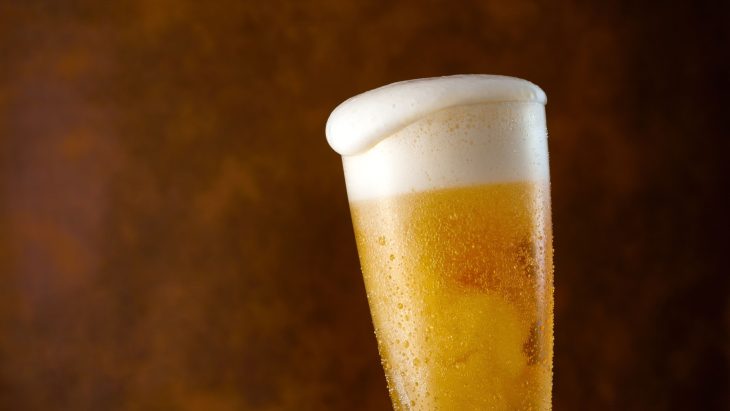
How Beer Foam is Created
When you open a beer, CO2 that was produced during fermentation experiences a sudden pressure change, causing gas molecules to rapidly escape and form bubbles. Here’s how foam forms step by step:
- Beer contains dissolved CO2 that becomes supersaturated when the container is opened or the beer is poured
- Bubbles form at nucleation sites—microscopic imperfections in the glass or particles within the beer
- Proteins from the malt, particularly LTP1, are hydrophobic and attach themselves to CO2 bubbles
- These protein-coated bubbles rise to the surface alongside the CO2
- At the surface, proteins form a protective coating around bubbles, creating stable foam
- Hop compounds cross-link with proteins to make the foam more rigid and clingy
Yeast also contributes to foam quality—lager yeasts contain a specific gene called CFG1 that produces proteins helping stabilize foam.
Factors Affecting Beer Foam
Multiple variables determine whether your beer holds a proper head or falls flat. Understanding these factors helps explain why foam quality varies from pour to pour.
- Glass cleanliness: Any detergent residue, oils from skin, or Chapstick on the glass significantly reduces foam formation and stability. Clean glassware is essential for proper head retention.
- Temperature: Higher temperatures cause disproportionation, where smaller bubbles merge into larger ones, creating uneven, unstable foam. Proper serving temperature maintains a consistent bubble structure.
- Beer style: Different styles naturally produce varying foam characteristics based on their ingredient profiles and brewing methods. Protein content and hop levels directly influence foam quality.
- Alcohol content: Higher alcohol levels break down foam more quickly, reducing head retention. This explains why stronger beers often have shorter-lived foam.
- Carbonation level: Proper carbonation provides enough gas to form adequate foam. Under-carbonated beer won’t generate sufficient head, while over-carbonation can cause excessive foaming.
- Pouring method: How the beer is poured affects foam formation—pouring down the side versus center-pouring produces different results. Aggressive pours create unstable foam with varying bubble sizes.
Related: How Strong Is Beer? Understanding Alcohol Content Across Styles
Different Beer Styles and Their Foam
Beer styles produce distinctly different foam characteristics based on their ingredients, fermentation processes, and carbonation levels. Stouts feature dense, nitrogen-enriched heads with a creamy texture, German lagers display frothy caps, and Belgian beers are traditionally poured with substantial foam that can persist until the last drop.
Lagers typically generate tighter, more refined foam that reflects their clean fermentation profile and bottom-fermenting yeast strains. The lager yeast contains the CFG1 gene, which produces proteins that stick to bubble surfaces and stabilize foam. IPAs and ales benefit from larger, fluffier heads that showcase their aromatic hop profiles. However, some IPAs face challenges because polyphenols from hops can bind with foam-positive proteins, potentially reducing foam stability.
Wheat beers like hefeweizens and witbiers naturally create substantial foam because wheat contributes additional foam-building proteins. These beers are known for their thick, pillowy heads. Stouts and porters, particularly those served with nitrogen, produce exceptionally creamy, dense heads with smaller bubble structures. Porters are rich and concentrated with more foam than ales, while stouts contain more hops and have a strong flavor with varying alcohol content from 3% to 7.5%. The foam characteristics of each style contribute to the overall drinking experience and reflect the brewer’s techniques and ingredient choices.
Glassware and Pouring Techniques
The choice of glassware and pouring method directly impacts foam formation and retention. Tall, narrow glasses minimize CO2 escape and help maintain head retention better than wide-mouth vessels. Nucleation sites—tiny etchings or scratches in the glass bottom—initiate bubble formation and create steady streams of rising carbonation.
Different glass types serve specific functions. Pint glasses work for everyday ales and lagers, providing adequate space for standard head formation. Tulip glasses feature bulbous bodies with flared rims that trap foam and concentrate aromas, making them ideal for Belgian ales and IPAs. Snifters have wide bowls that taper at the rim, encouraging swirling to release aromatics from strong ales and imperial stouts.
Proper pouring technique begins with holding the glass at a 45-degree angle and pouring slowly down the side. As the glass fills to about halfway, gradually straighten it upright and pour toward the center. This method provides control over foam formation, producing approximately one to one-and-a-half inches of head. Glasses must be beer-clean—free of oils, grease, or residues—and thoroughly dried to prevent water from covering nucleation sites.
The Role of Foam in Taste and Aroma
Foam significantly influences the sensory experience of drinking beer through multiple mechanisms. Each time a bubble bursts, it releases aroma compounds that provide information about the beer’s flavor profile before the first sip. The foam acts as a cap that traps volatile aroma compounds close to the beer’s surface, and as it collapses, these compounds are released to enhance flavor perception.
Foam creates a smoother mouthfeel by controlling carbonation release, preventing excessive fizziness, and allowing the beer to be consumed more slowly for a fuller taste experience. The texture of foam adds a creamy quality and sense of fullness on the tongue, contributing to the overall tactile sensation. The foam is not separate from the beer—it is the beer in a different form, containing the same liquid and flavor components.
The foam layer serves as a protective barrier against oxidation, helping maintain freshness by preventing oxygen contact with the beer. It also acts as an insulating layer that maintains the beer’s carbonation level, body, and temperature throughout consumption. Foam has a trigeminal sensation, meaning it’s perceived physically rather than just through taste—a thick, creamy head contributes to a fuller mouthfeel, while lighter foam creates a more effervescent sensation. The foam’s role extends beyond aesthetics to fundamentally alter how we perceive and enjoy beer.
Related: How Much Sugar Is in Beer? Everything You Need to Know
Common Myths About Beer Foam
Several persistent misconceptions about beer foam deserve correction. The most common myth is that foam represents wasted beer, when in reality, foam is part of the beer itself, just in a different physical form. In authentic Czech beer culture, foam is considered a critical and beloved component, while American drinkers have traditionally viewed it as wasted space.
Another misconception suggests that excessive foam indicates poor quality or dirty glassware. While dirty glasses do reduce foam formation, the ability to produce and maintain foam actually signals proper brewing techniques and fresh beer. Beers exhibiting good head retention are associated with freshness and proper serving techniques. The opposite is more accurate—beer that cannot hold foam may indicate brewing problems or contaminated glassware. Quality foam enhances the entire sensory drinking experience rather than detracting from it.
Foam Sweet Foam
Beer foam isn’t just pretty bubbles—it’s where CO2, proteins, and yeast create the complete drinking experience. Understanding how glass cleanliness, temperature, and pouring technique affect your head means you’ll nail the perfect pour every time. Different styles deliver unique foam profiles, from creamy stout heads to frothy lager caps, and choosing the right glassware amplifies those characteristics. Here’s what really matters: foam releases aromatic compounds, smooths out carbonation, and protects your beer’s freshness.
Forget the myths about foam being wasted beer or poor quality—it’s actually proof of proper brewing. Now you’ve got the knowledge to pour confidently and maximize the flavor, aroma, and texture of every beer you crack open.
FAQs – Understanding Beer Foam
Beer foam is definitely good. It releases aromatic compounds that enhance flavor perception, creates a smoother mouthfeel by controlling carbonation, and protects your beer from oxidation to maintain freshness. Foam also adds a creamy texture and signals proper brewing techniques. The myth that foam is wasted beer couldn’t be further from the truth—it’s actually an integral part of the drinking experience that maximizes taste and aroma.
The foam on top of fermenting beer is called kräusen. This thick, rocky head forms during active fermentation when yeast is vigorously converting sugars into alcohol and CO2. Kräusen typically appears within 24-72 hours of pitching yeast and can range from a few inches to overflowing the fermenter. It’s a sign of healthy fermentation and will eventually fall back into the beer as fermentation slows.
No, you shouldn’t remove foam from beer. The foam contains aromatic compounds that preview the beer’s flavor and contribute to mouthfeel and texture. Removing it means missing out on the full sensory experience. Instead, pour to achieve about one to one-and-a-half inches of head, then drink the beer with the foam intact. Those first sips with foam deliver the strongest aromatics and best texture.