
Chlorine and chloramine in municipal tap water can mess up your beer’s flavor. When these disinfectants make it into your beer, they…
Rice vs Corn in Beer: What’s the Difference?

The rice vs corn in beer debate has been brewing for over a century, and most homebrewers still don’t understand what these…
Complete Guide to Beer Testing Equipment
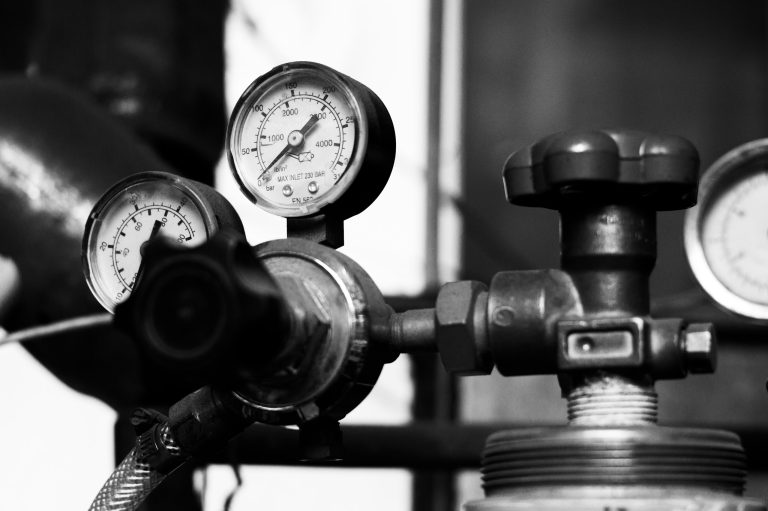
Your beers taste different every batch, even when you follow the same recipe. The difference between good brewers and great ones isn’t…
Why Beer Gushes: Causes, Prevention, and Solutions
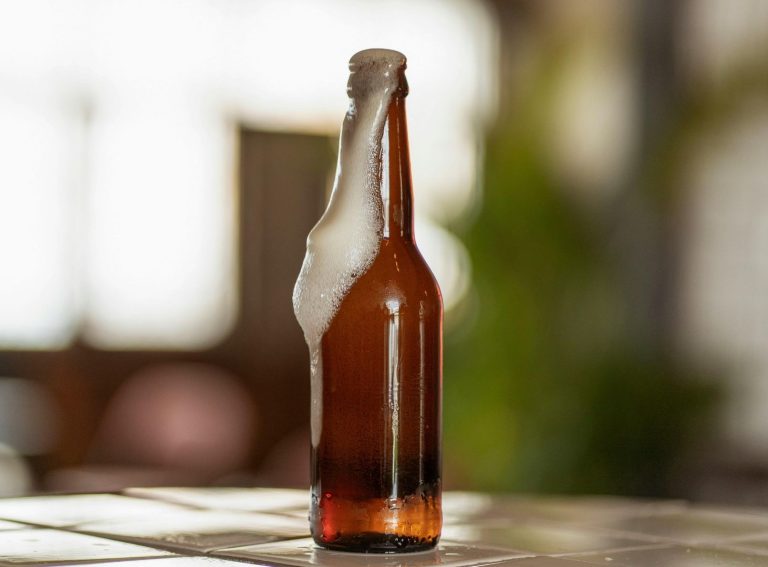
Beer gushing causes range from microscopic fungi to overzealous carbonation, and understanding them helps brewers maintain quality while consumers avoid disappointment. Beer…
Hop Stands vs Whirlpool Hops: What’s the Difference in Brewing?
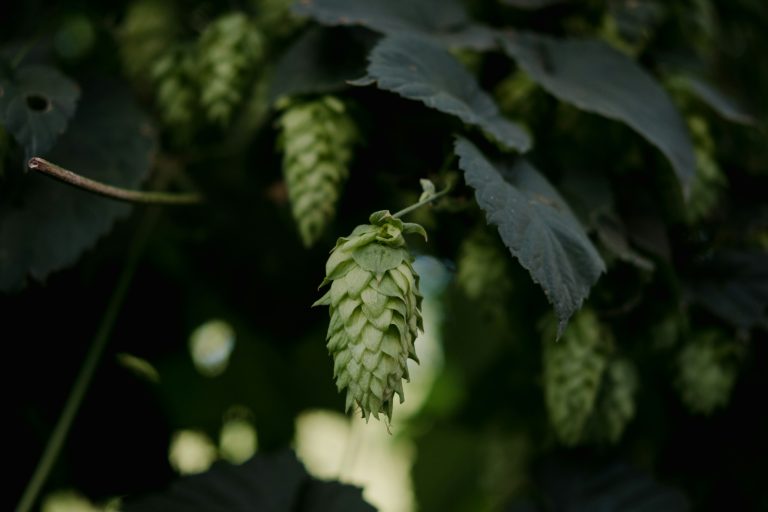
The hop stands vs whirlpool hops debate trips up brewers all the time, but these post-boil techniques are basically close cousins that’ll…
Wild Fermentation Technique in Beer Brewing
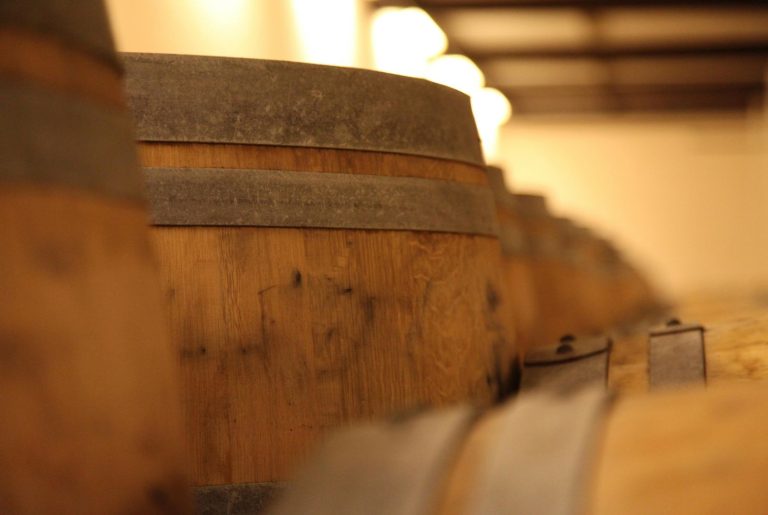
Before Louis Pasteur figured out what yeast was in 1866, brewers simply left their wort exposed to the air and let nature…
The Complete Guide to Steeping Grains for Brewing and Cooking
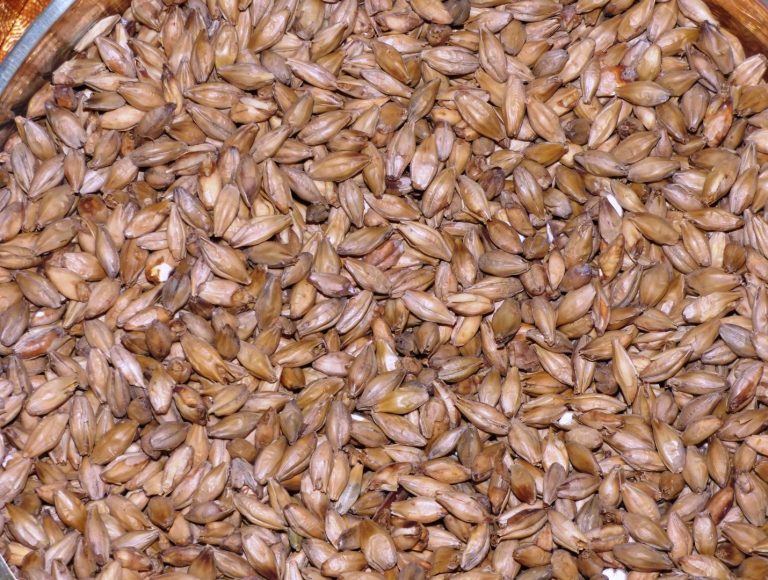
Extract brewing delivers solid results, but there’s a simple technique that takes your beer from good to exceptional. Steeping grains is the…
The Complete Beginner’s Guide to Brew in a Bag (BIAB) Homebrewing
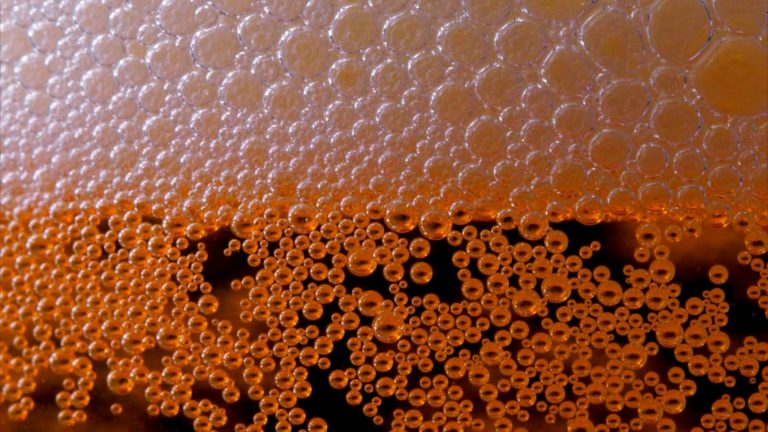
You’ve been itching to brew all-grain beer, but the equipment costs and complexity have kept you on the sidelines. Brew in a…
The Highest Alpha Acid Hops: Strongest Bittering Hops Explained
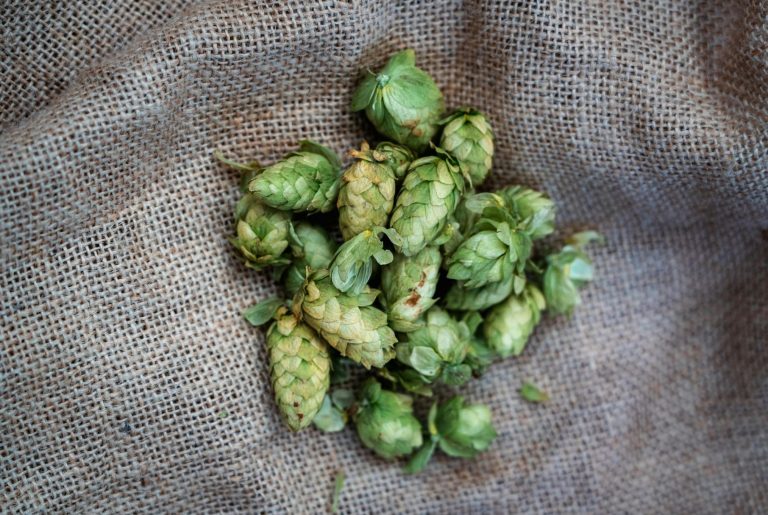
When you’re hunting for the highest alpha acid hops, you need more than just big numbers on a package. These powerhouse varieties…
What Are Cryo Hops? A Complete Beginner’s Guide to Ultra-Concentrated Hop Flavor

If you’ve been brewing IPAs or hazy beers lately, you’ve probably noticed cryo hops showing up everywhere in the craft beer world.…
Infected Beer Signs: Spotting and Dealing with Contamination
You’ve just cracked open your homebrew and something’s off. Maybe there’s a weird film floating on top, or it smells like salad…
How to Clean Silicone Tubing for Brewing: Step-by-Step Guide
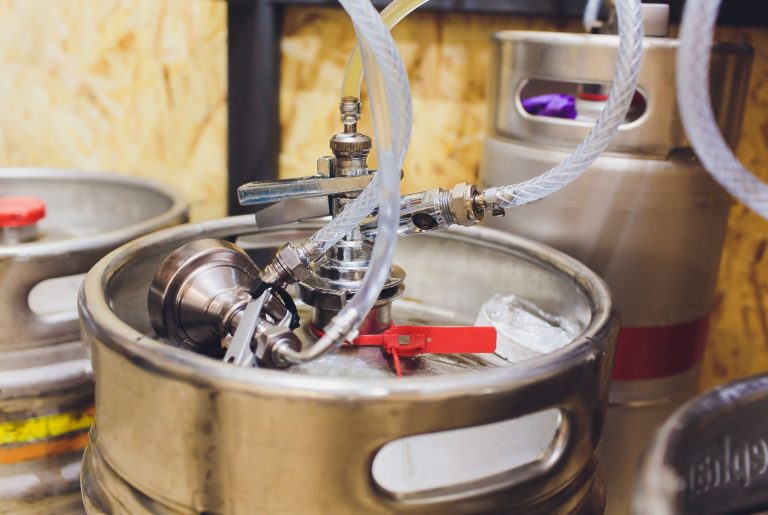
Your silicone tubing works hard on brew day, transferring wort and beer through every stage of the process. Keeping it properly maintained…
Types of Beer Glasses: A Complete Guide

Think about the last time you poured a beer straight from the bottle into your mouth. Sure, you got the job done—but…
Understanding Beer Foam: Science, Culture, and Enjoyment

You’ve probably stared at a pint topped with foam and wondered what’s really going on up there. That frothy head is transforming…
Pressure Fermentation: A Complete Beginner’s Guide
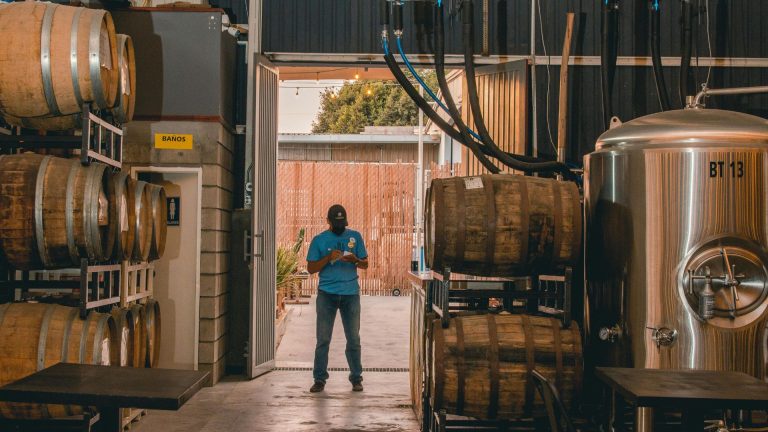
Brewing clean, professional-quality lagers at room temperature sounds impossible, right? That’s where pressure fermentation changes everything. This technique lets you ferment beer…
Acetaldehyde in Beer: Cause, Flavor Impact, and Quick Fixes
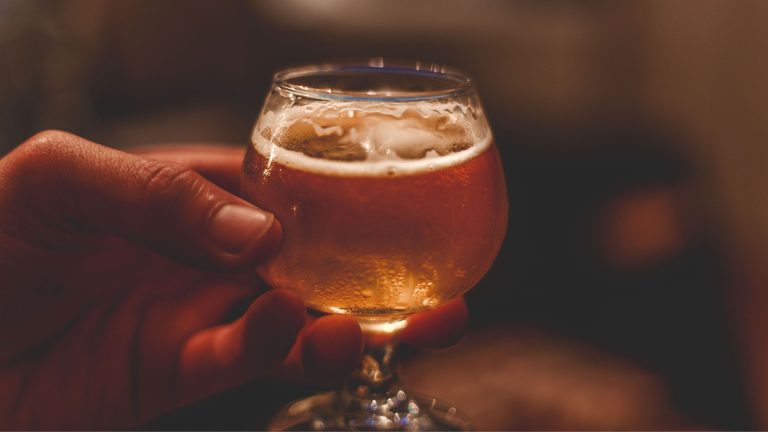
Your latest batch tastes like green apples instead of the crisp lager you were after. That’s acetaldehyde in beer making itself known—a…
Complete Guide to International Bitterness Units (IBU): Science, Measurement & Brewing Tips

Those three letters on every beer label—IBU, or International Bitterness Units—represent the brewing industry’s standardized measurement for bitterness. The ASBC and EBC…
Water Conservation in Brewing: Simple Steps Every Brewery Can Use
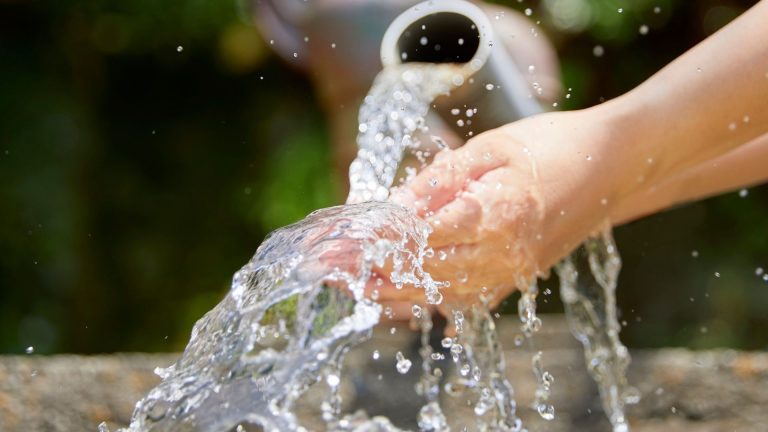
Water conservation in brewing isn’t just an eco-buzzword anymore—it’s straight-up smart business. Most breweries blow through four to six liters of water…
Beer Yeast Specifications: Complete Guide for Brewers
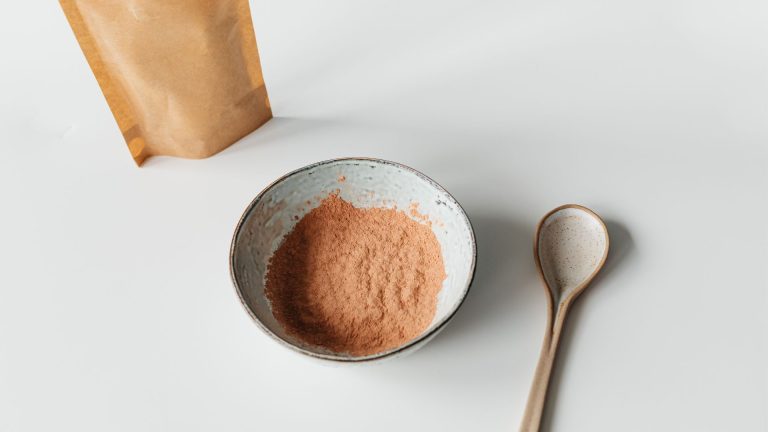
Your recipe’s perfect, your mash temperature’s on point, and you’ve picked killer hops—but here’s where beer yeast specifications become your secret weapon.…
Malt Specifications: A Brewer’s Guide to Selecting and Using Malt

Every brewer wants consistency—hitting target gravities, achieving proper attenuation, and nailing that perfect runoff every time. The secret’s right there on your…